Weather at Race Rocks

The UVic School Based Weather Station Network. funds and  operates this Davis instrument weather station at Race Rocks in partnership with Lester B. Pearson College of the Pacfic. For Large Sized graphs refer to the Uvic site here:

Records  are shown for Temperature and Dewpoint, Atmospheric pressure, Relative Humidity, Wind Speed and Wind Direction, Rain, Hourly rain, Sun, UV, Wind Roses for Speed and Direction and Dew Point

CURRENT SUMMARY of WEATHER at RACE ROCKS


Last 24 hours of Weather Data from Race Rocks Ecological Reserve


The last week of Weather records for Race Rocks Ecological Reserve
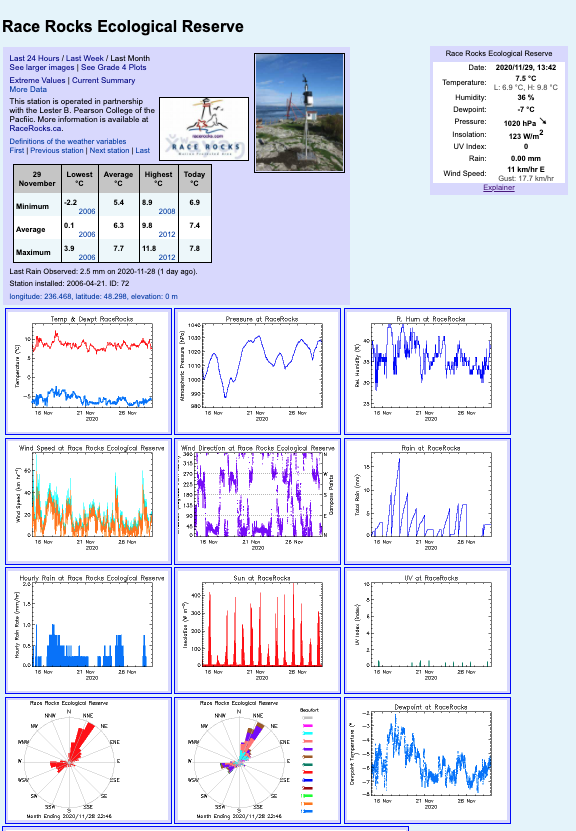


Weather Records for the last Month at Race Rocks Ecological Reserve


Wind Records at Race Rocks
Wind as an Abiotic Factor

This wind direction is taken at ground level. There is often a 10 knot difference between ground and tower values.  Updated every 30 minutes.

Atmospheric Pressure/ Barometer at Race Rocks
Barometric Pressure as an Abiotic Factor


Temperature at Race Rocks
Temperature as an Abiotic Factor


Solar Radiation at Race Rocks
Solar Energy an Abiotic Factor


Ultra Violet Radiation at Race Rocks
UV as an abiotic factor


Humidity for Today and this week at Race Rocks
Humidity as an Abiotic Factor at Race Rocks


Dew Point at Race Rocks
Dewpoint as an abiotic factor


Rainfall for Today and past records at Race Rocks
Rainfall as An Abiotic Factor at Race Rocks

================================================

2008 total rainfall

2009 total rainfall

2011 total rainfall
(April under-recorded..
machine fault)
2012 total rainfall
(January was under recorded)
2019 rainfall
(M
arch and April machine fault)

2020 rainfall

Abiotic Factors index: data explained in terms of effects on ecosystem. Also the Abiotic Factors Link has an explanation of the importance of the various physical environmental factors in the structure of the Race Rocks Ecosystems


2studentcloses

The recording instrument with sensors used for real-time weather plotting from ground level at Race Rocks

envcanweather
Juan de Fuca East entrance forecast

envcanada

For conditions right now from Environment Canada use this link

<style=”–darkreader-inline-bgcolor: #ad2b00;” bgcolor=”#ff6633″ data-darkreader-inline-bgcolor=””>

The records above are recorded at Pacific Daylight Savings Time < style=”–darkreader-inline-bgcolor: #ad2b00;” bgcolor=”#ff6633″ data-darkreader-inline-bgcolor=””>

< style=”–darkreader-inline-bgcolor: #ad2b00;” bgcolor=”#ff6633″ data-darkreader-inline-bgcolor=””>

Extreme Values for environmental factors at Race Rocks recorded since 21 April, 2006November / December Extreme weather events: November 26/06 Snow……. December 15/06 Hurricane

UWCpearsoncollegeicon

This weather station is provided and maintained by Lester Pearson United World College
Recent Posts

The Big Scoop

Wildlife Notes

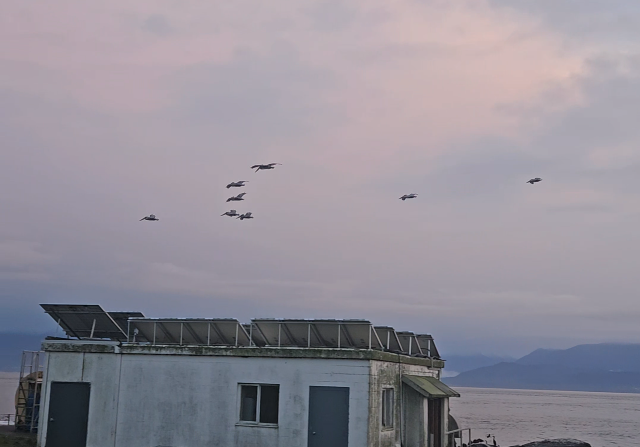
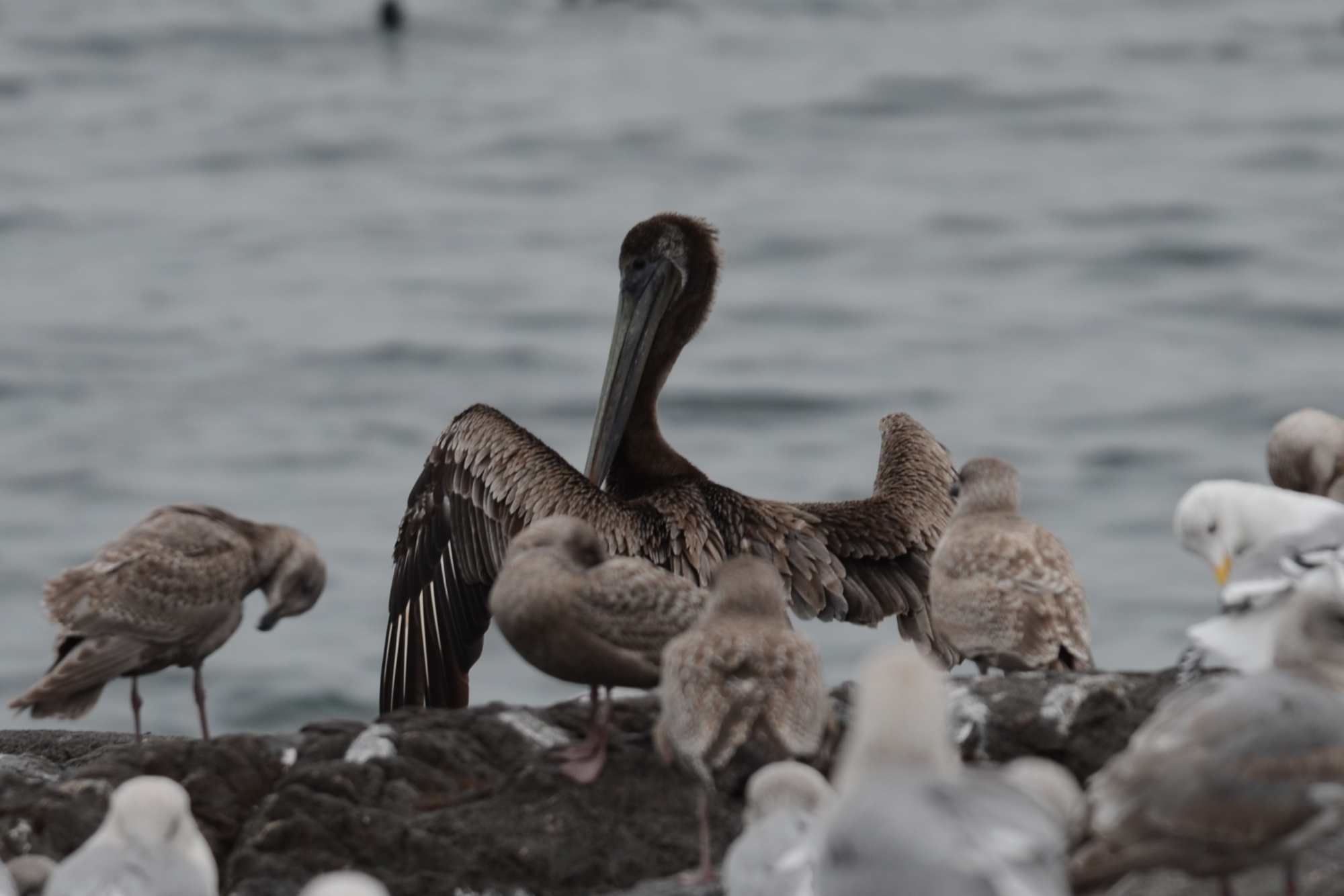
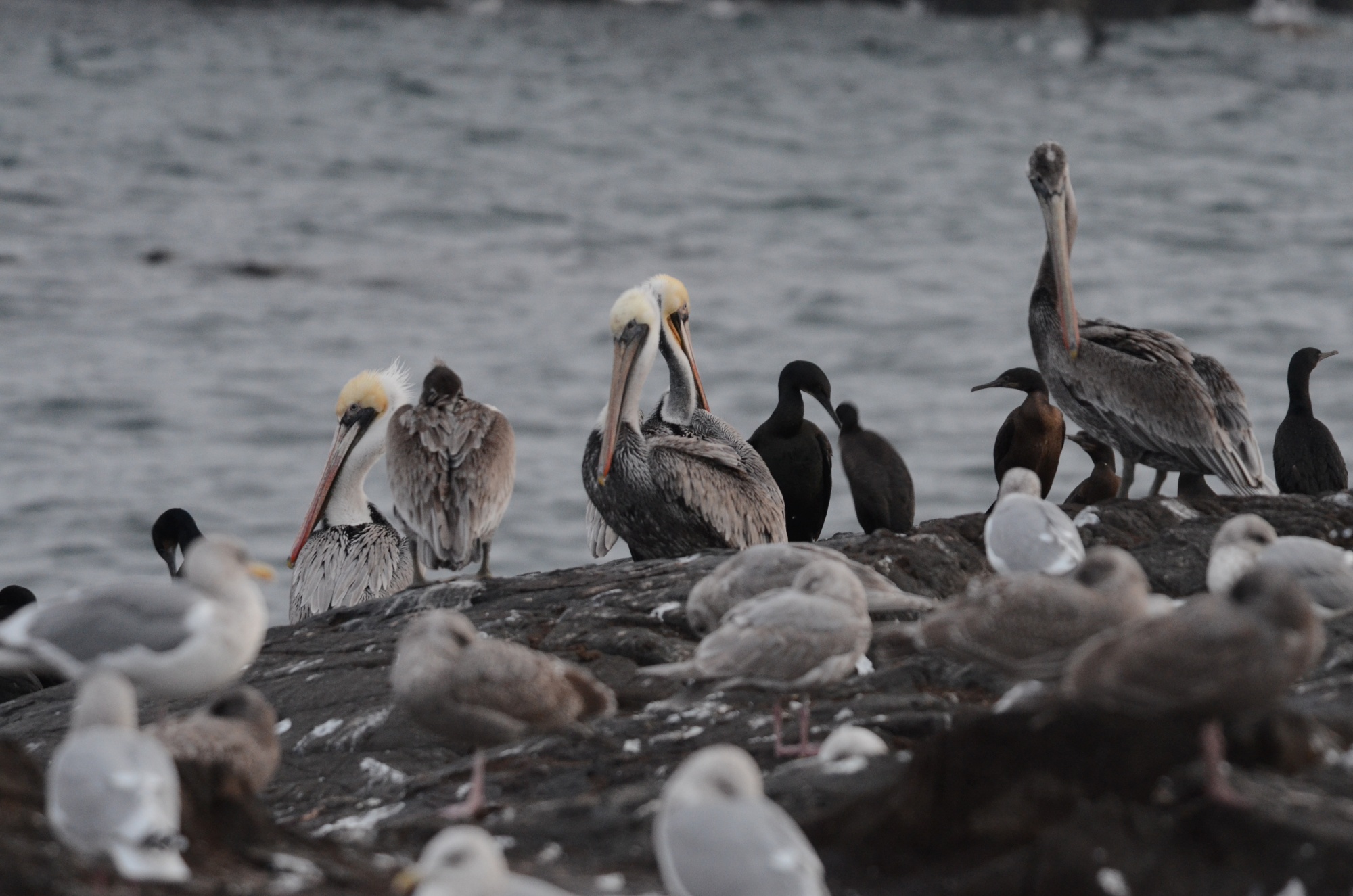
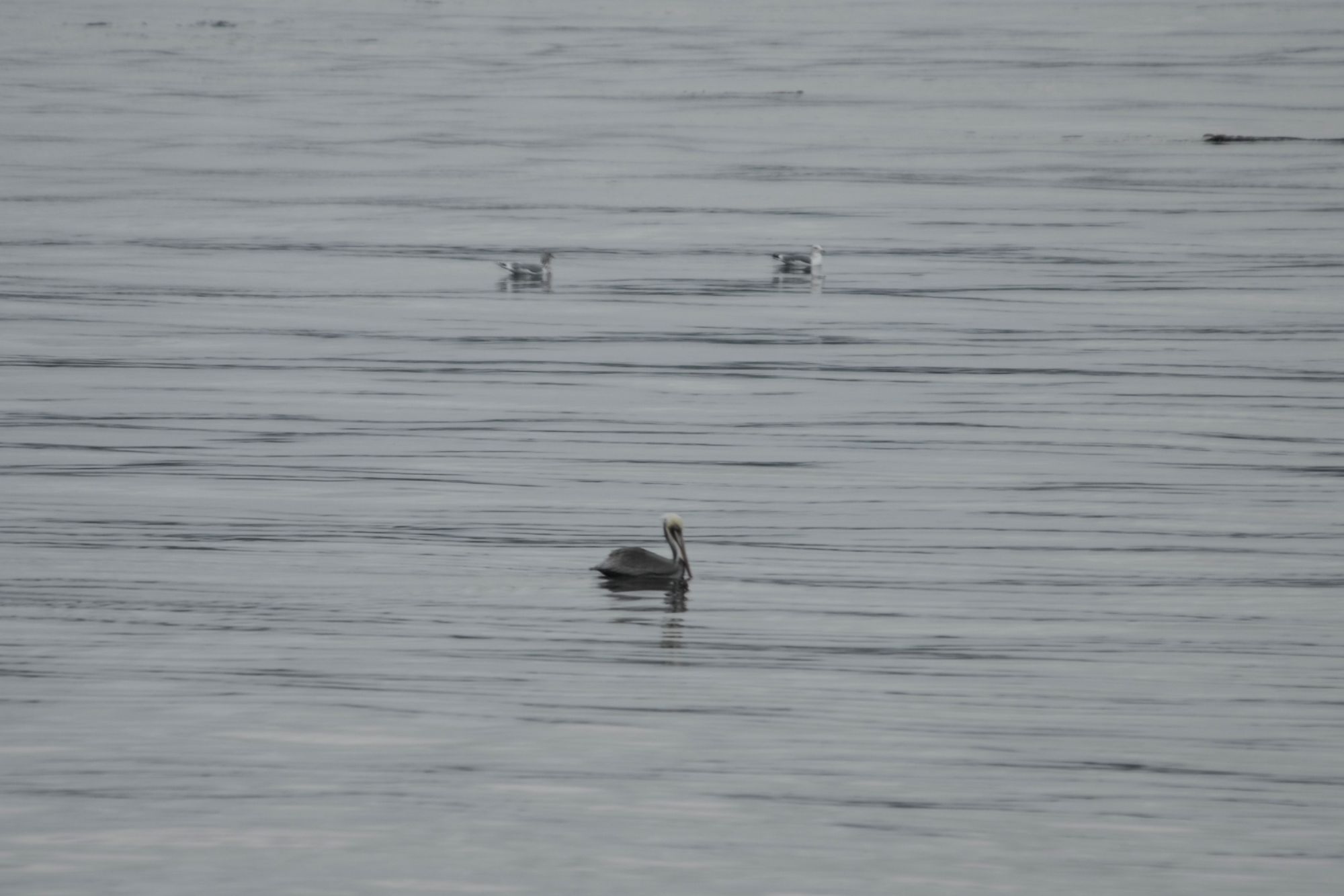
A scoop of a dozen or so brown pelicans stopped by today! An unusual sight here at Race Rocks, I found myself immediately fascinated by these large, graceful visitors. First spotted a few in the morning drifting in the currents just to the north, they settled on the eastern ridge behind the keeper’s house through the afternoon and evening.

The story of the brown pelican population is a hopeful one, entwined with the history of DDT and Rachel Carson’s Silent Spring. The brown pelican was pushed nearly to extinction by the widespread use of the mosquito repellent dichlorodiphenyltrichloroethane, or DDT, in the 1940-50s. Through the effects of bioaccumulation, these birds and countless other species wound up with concentrations of DDT in their tissues, which caused a thinning of their egg shells. Brown pelicans incubate their eggs by pressing them with their webbed feet- with compromised shells, whole clutches were being crushed unintentionally.

Silent Spring lays out the history, uses and deadly effects of DDT in the natural world, and is widely recognized as a seminal work of the modern environmentalist movement. DDT was banned in the US in 1972, phased out in Canada by 1985. Since then, brown pelican numbers have rebounded to an estimated 650,000 global population.

(Source: National Geographic)

Pelecanus occidentalis: Brown Pelican -The Race Rocks Taxonomy

Facility Notes

  • topped up batteries
  • installed new C0 alarm
  • firewood

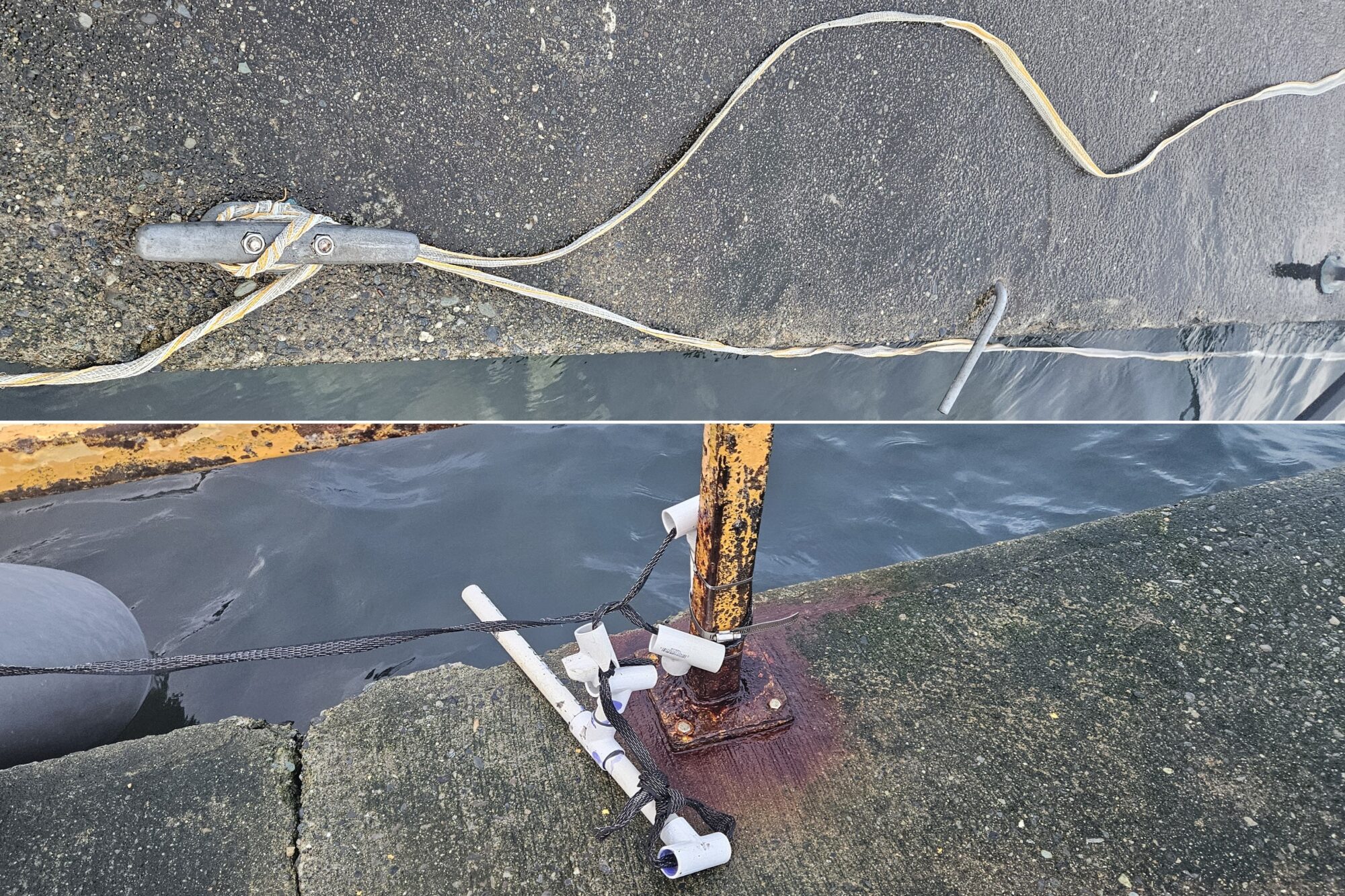
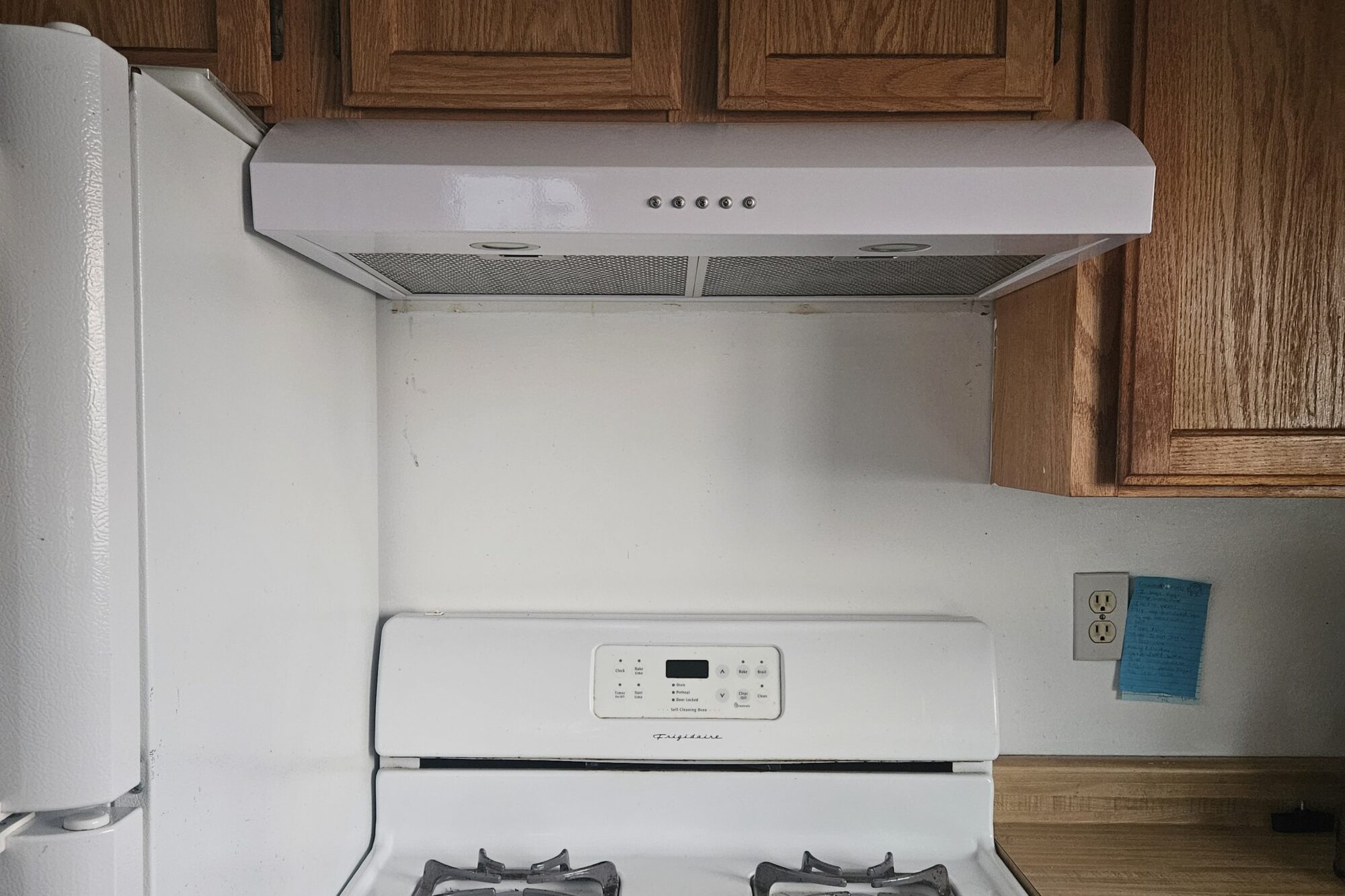
Richard came by this afternoon to install the new range hood in the student building, and get the jetty somewhat back in order. We shortened the fence setup for now, until we work out a system that can be taken in before storms/high tides to avoid the kind of havoc wreaked on it this last week. We also managed to snag two more logs for firewood, which have been chopped into manageable pieces and set aside to rinse in the rain!

Weather

Light, intermittent showers. Calm, light breezes under 9 knots all day. Temperatures around 9-10 degrees Celsius.

Vessels Observed

Ecotourism: 8

  1. A Whale Orca-straited Hunt Comments Off on A Whale Orca-straited Hunt
  2. Surf’s Up! Comments Off on Surf’s Up!
  3. King Tides, El Niño, Storm Surge, Oh my! Comments Off on King Tides, El Niño, Storm Surge, Oh my!
  4. Nov 22 Weekly Census Comments Off on Nov 22 Weekly Census
  5. The Elephant in the Path Comments Off on The Elephant in the Path
  6. Saturday November 14 Census Comments Off on Saturday November 14 Census
  7. L334 Back on the Rocks Comments Off on L334 Back on the Rocks
  8. The Myth of the Oil Spill Clean-Up Comments Off on The Myth of the Oil Spill Clean-Up
  9. Oodles of Eagles Comments Off on Oodles of Eagles