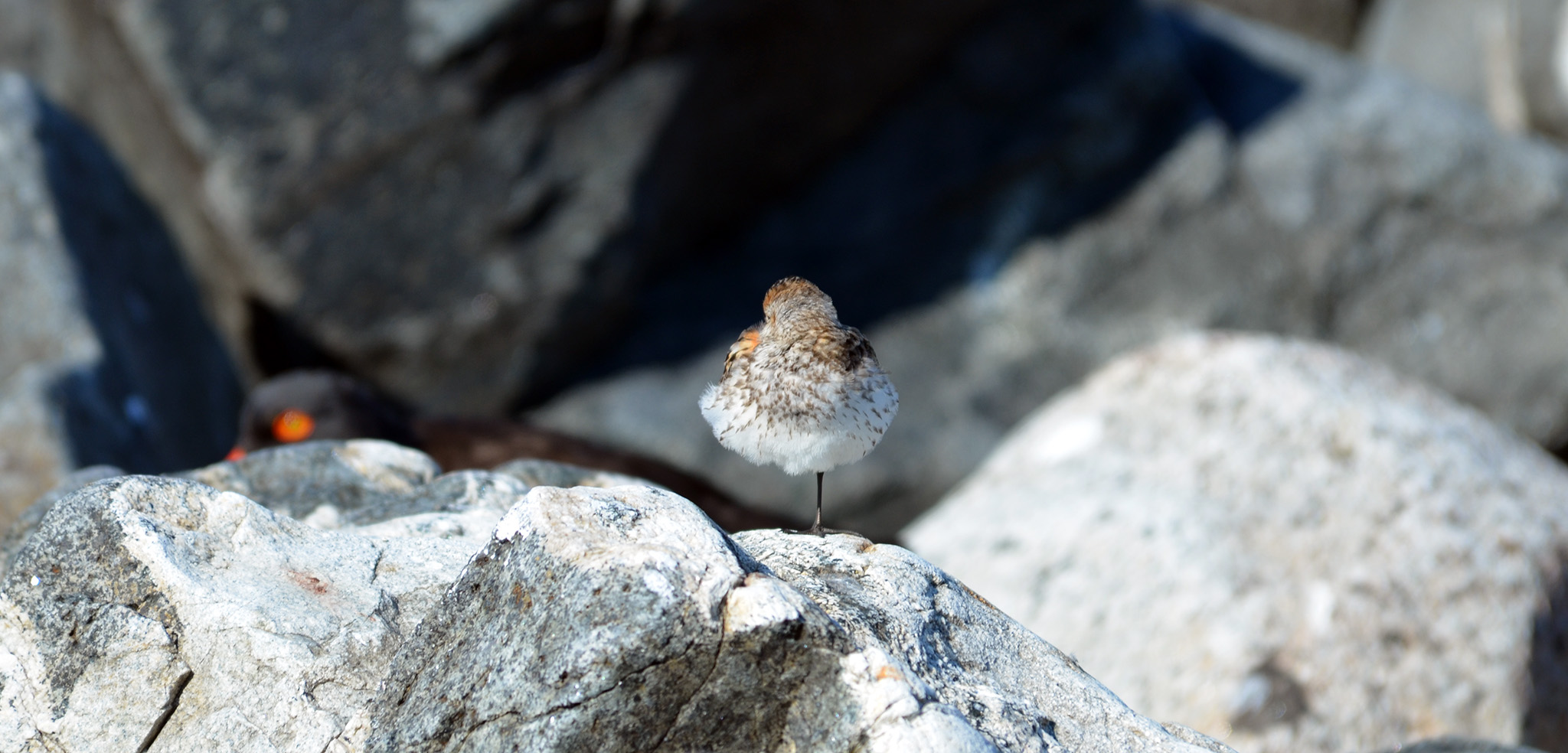
Census Day!

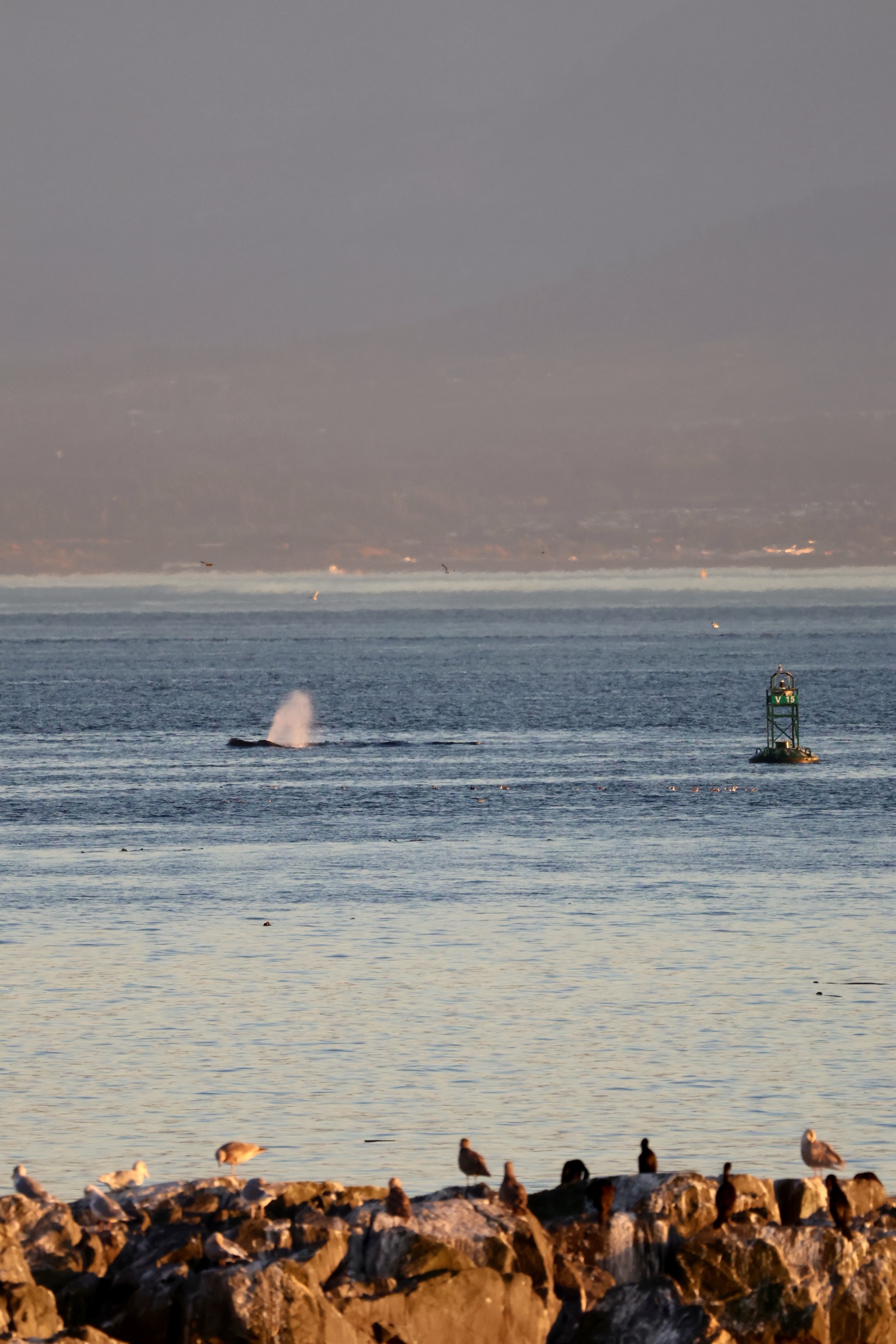
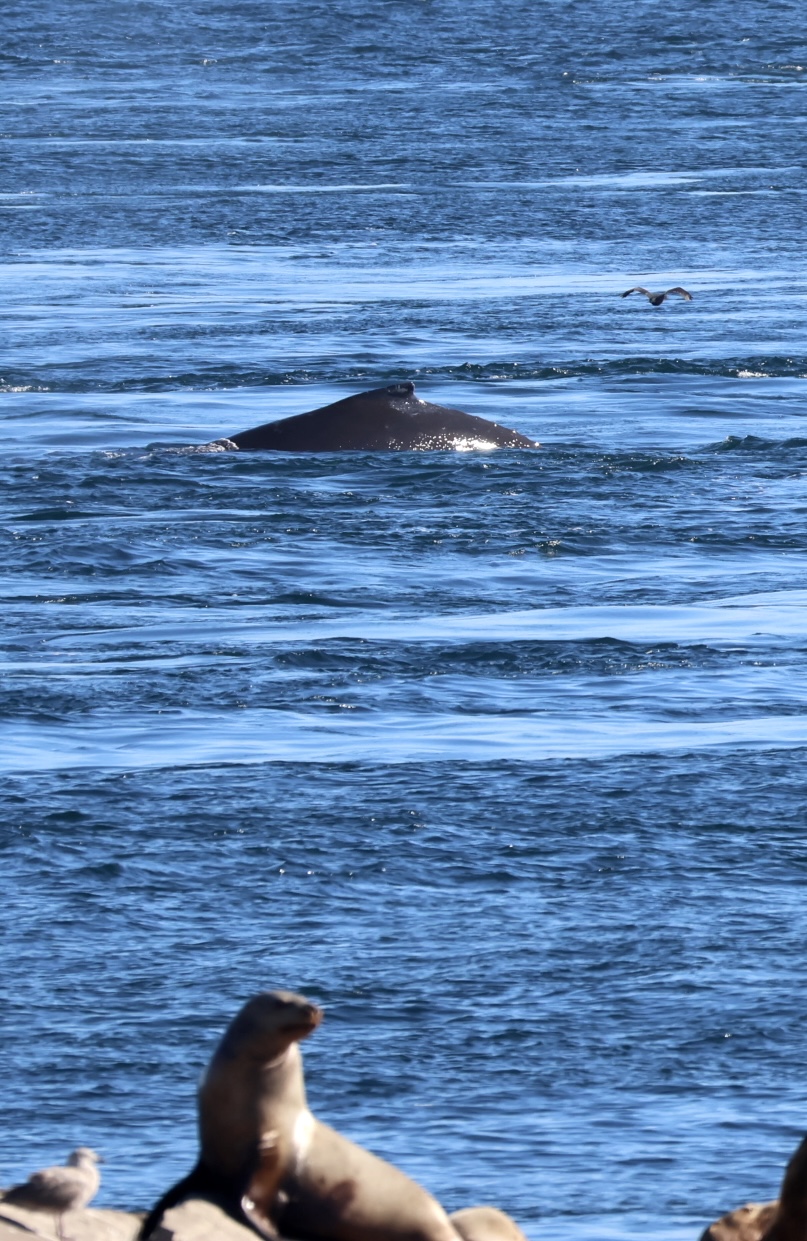
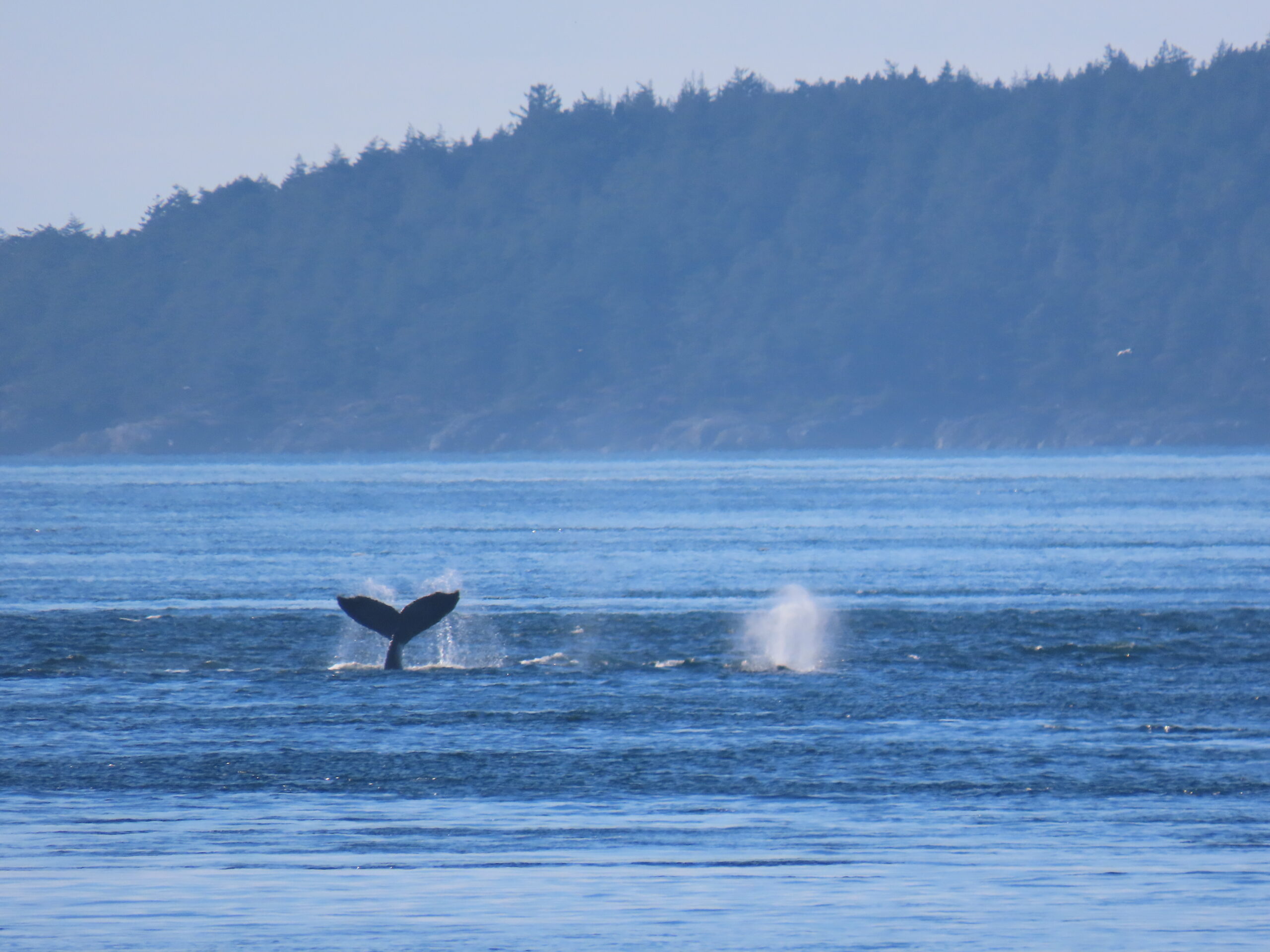
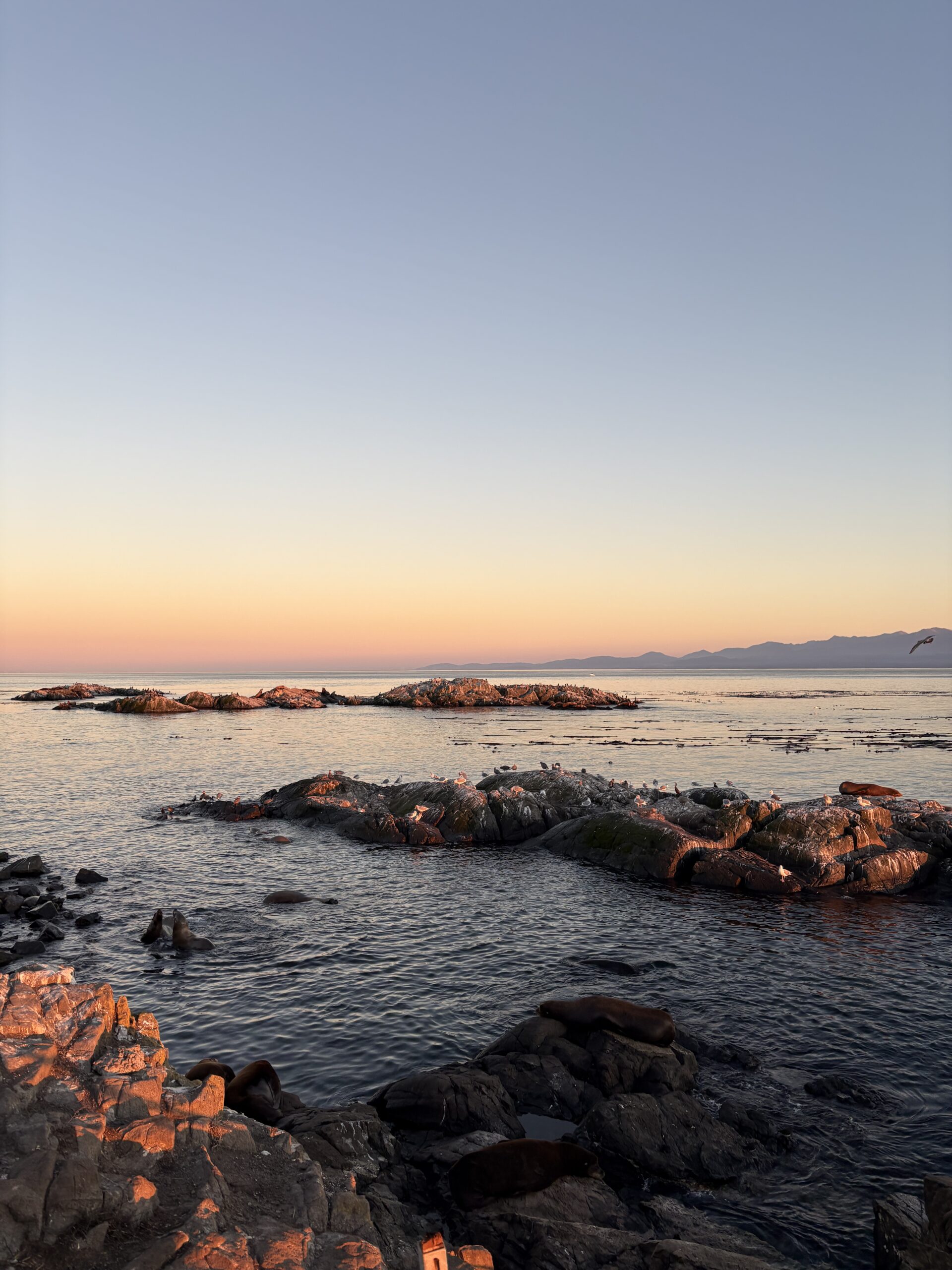
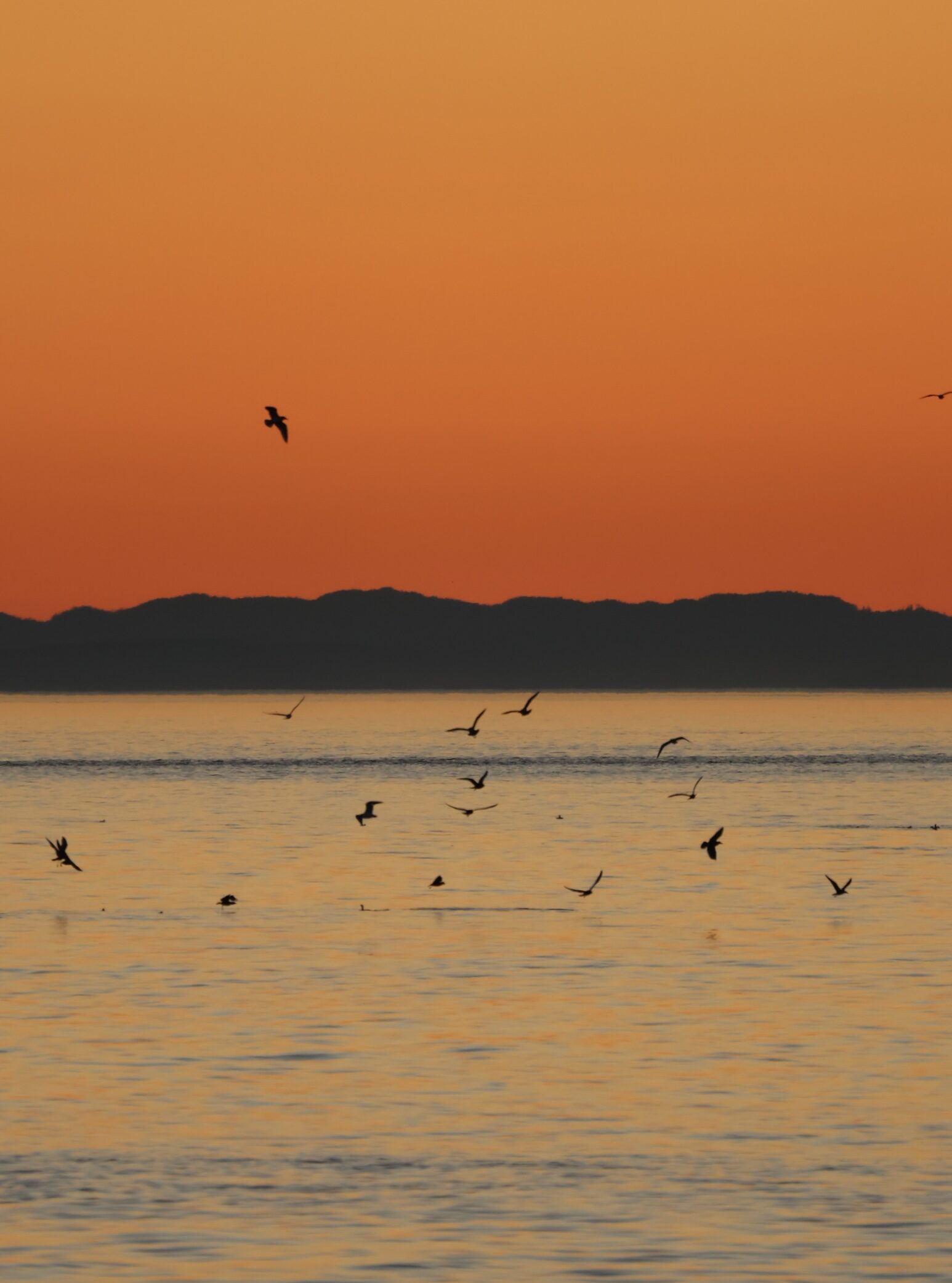
Another stunning day on the rocks! Calm seas, and beautiful sun all day long. Nothing beats waking up to watch the sunrise and thinking it can’t get better and then you watch the sunset as whales lunge feed in the distance.

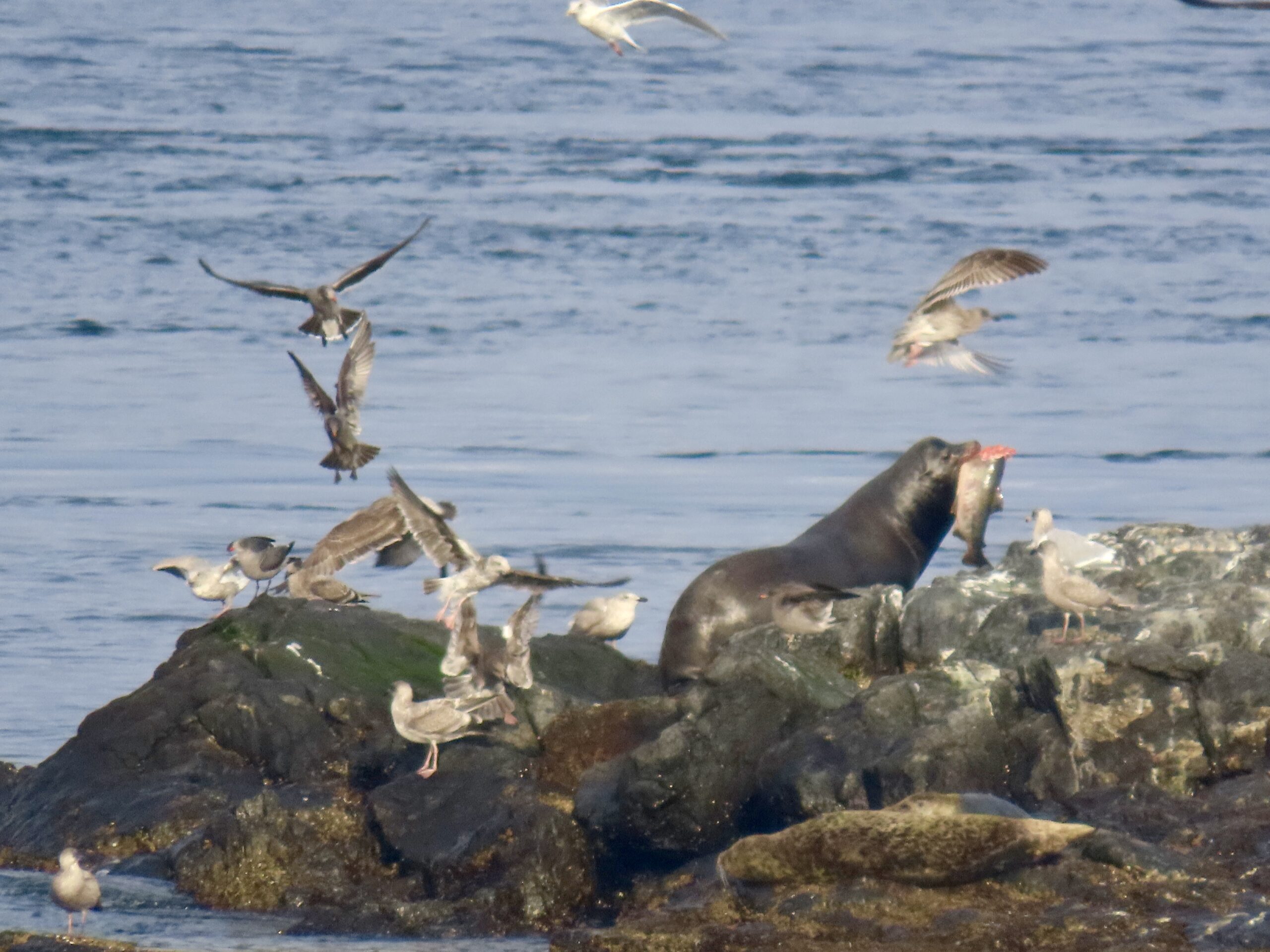
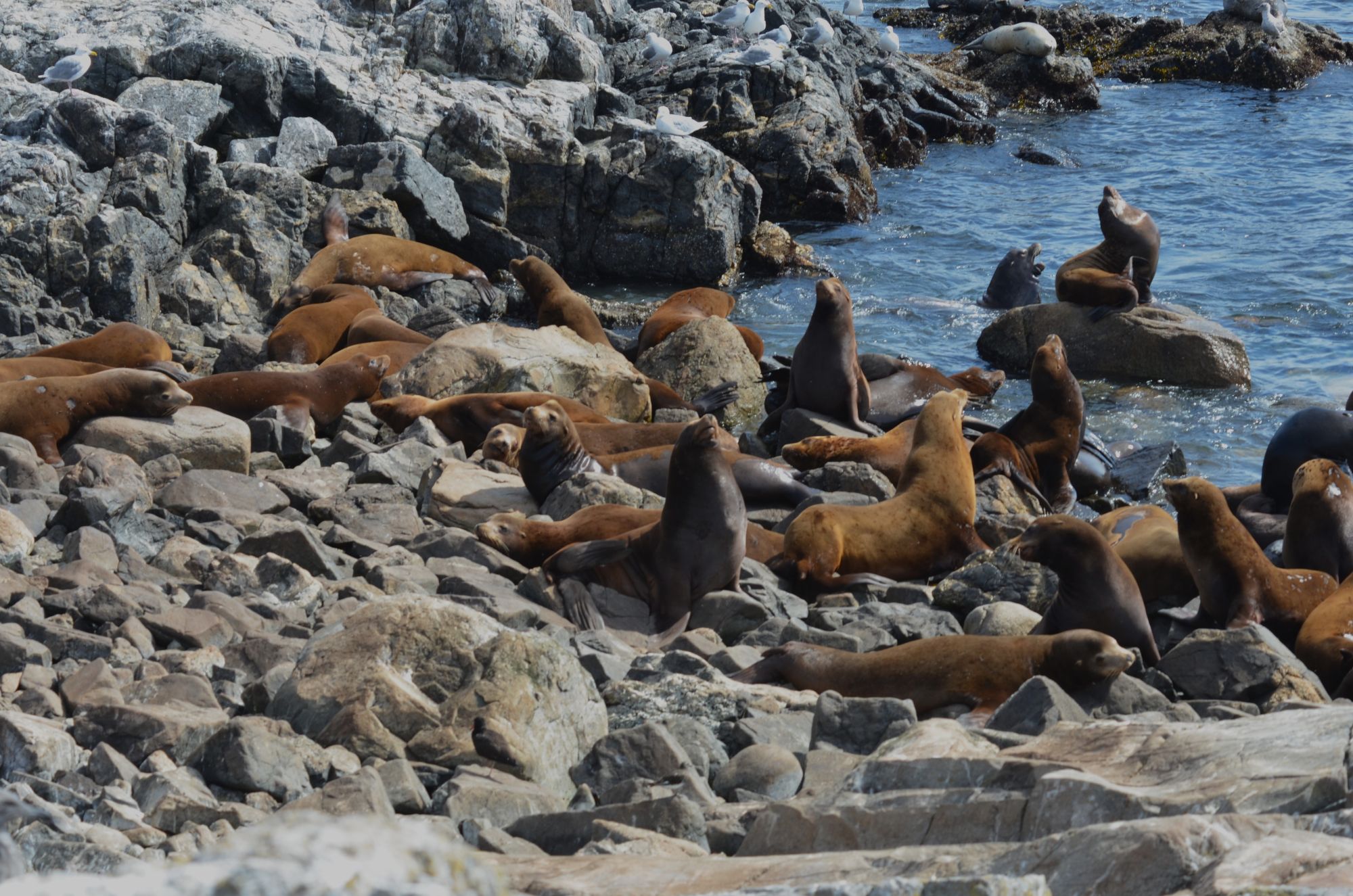
Today was census day, a few new birds (for me) and surprisingly low sea lion numbers compared to Christines last count and compared to my counts at this time in 2025 and 2024. We had a good rain a few days ago and that usually clears out a lot of them so I imagine they’re slowly coming back now and by next Saturday the numbers will be higher.

Mammals:

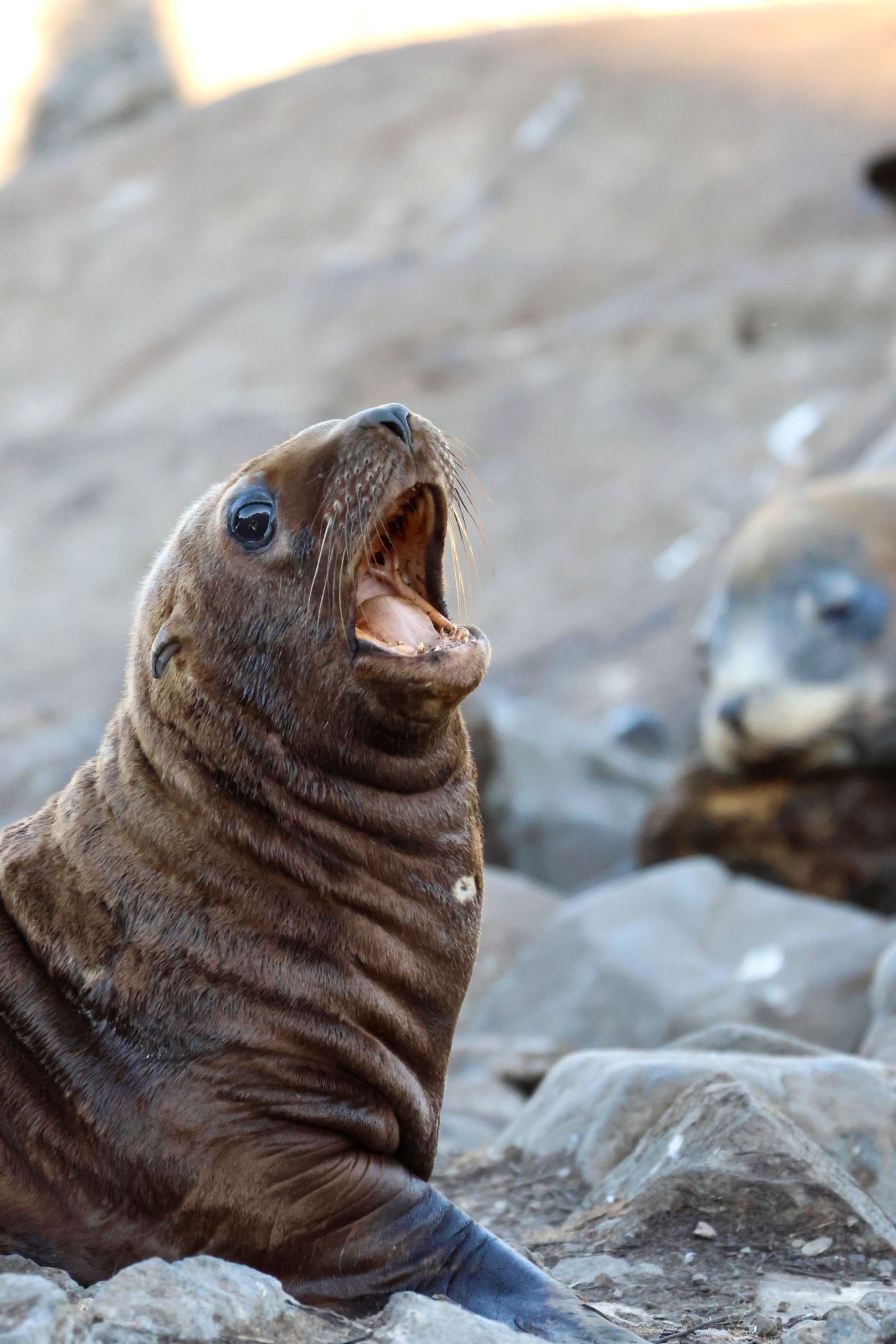
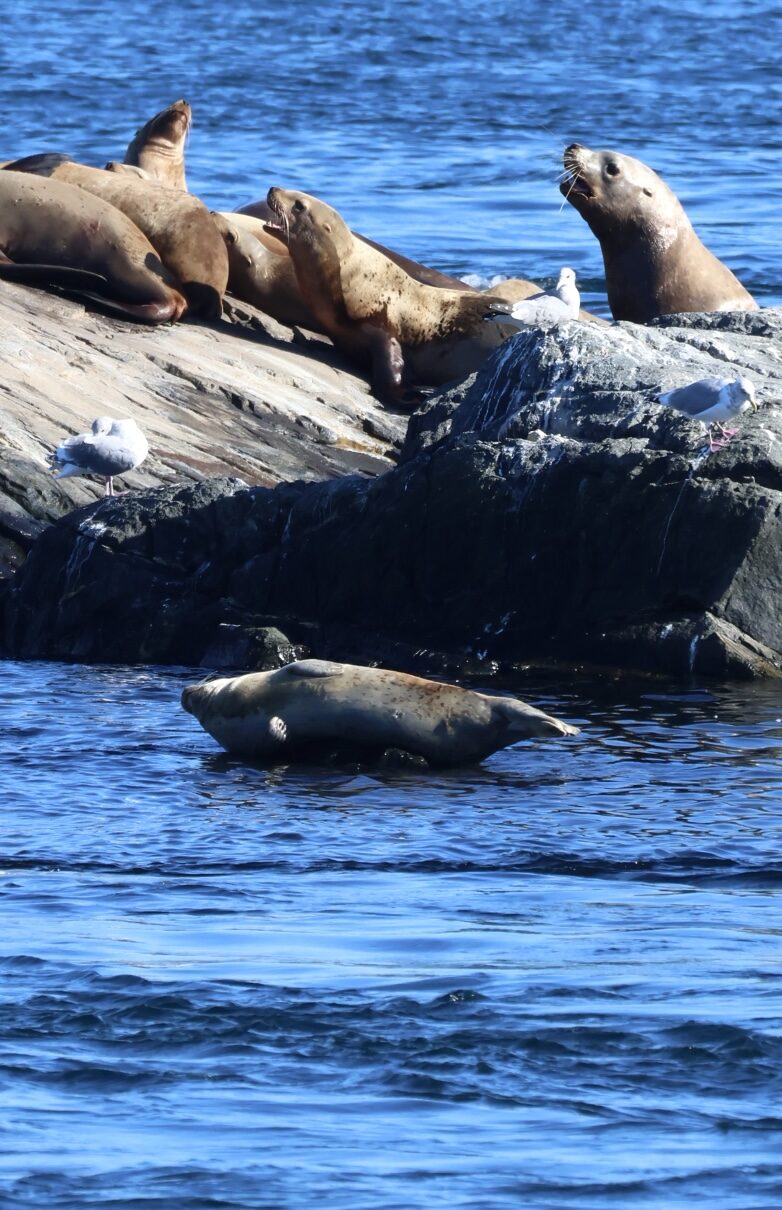
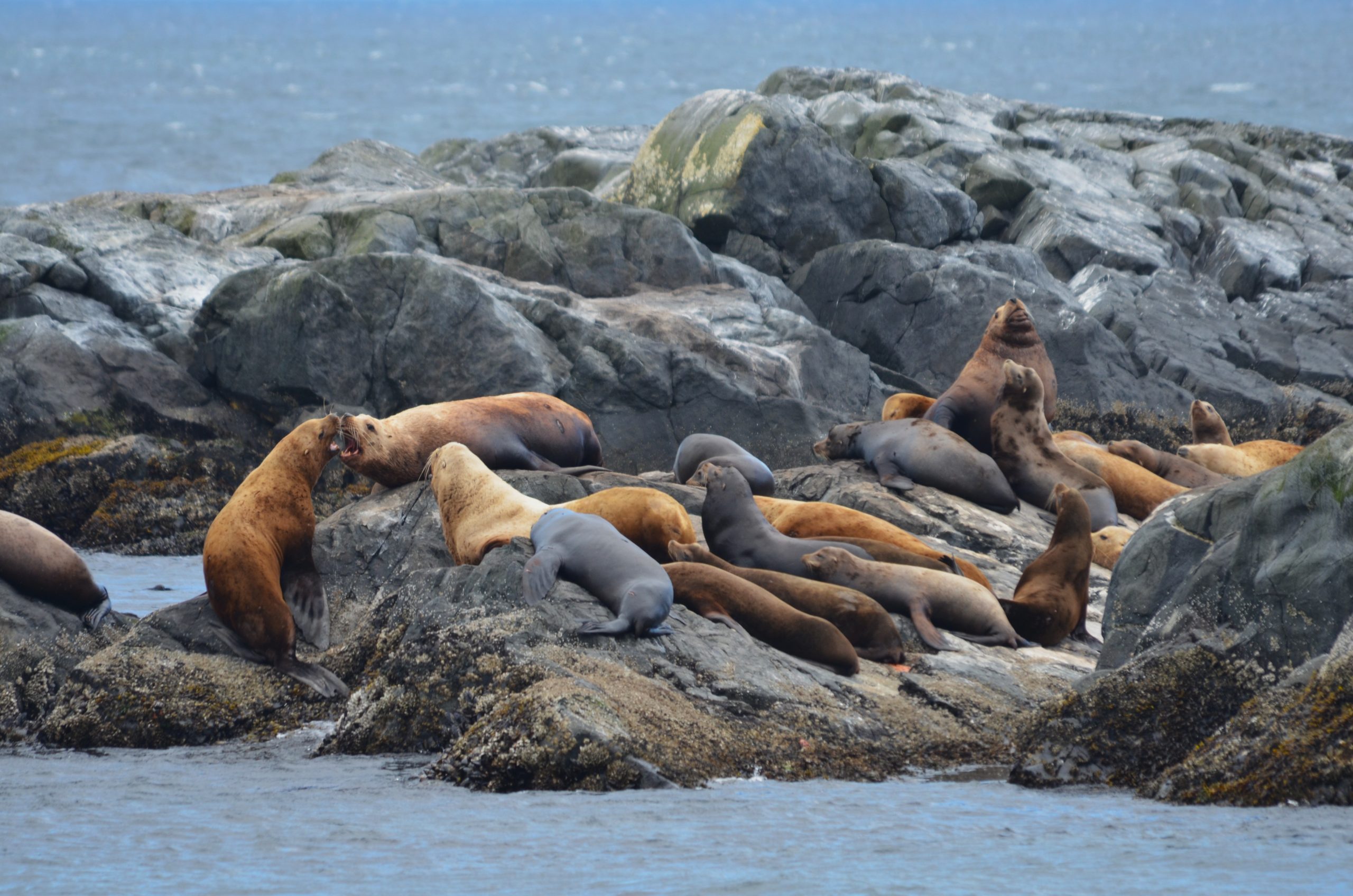
  • Steller sea lion: 330
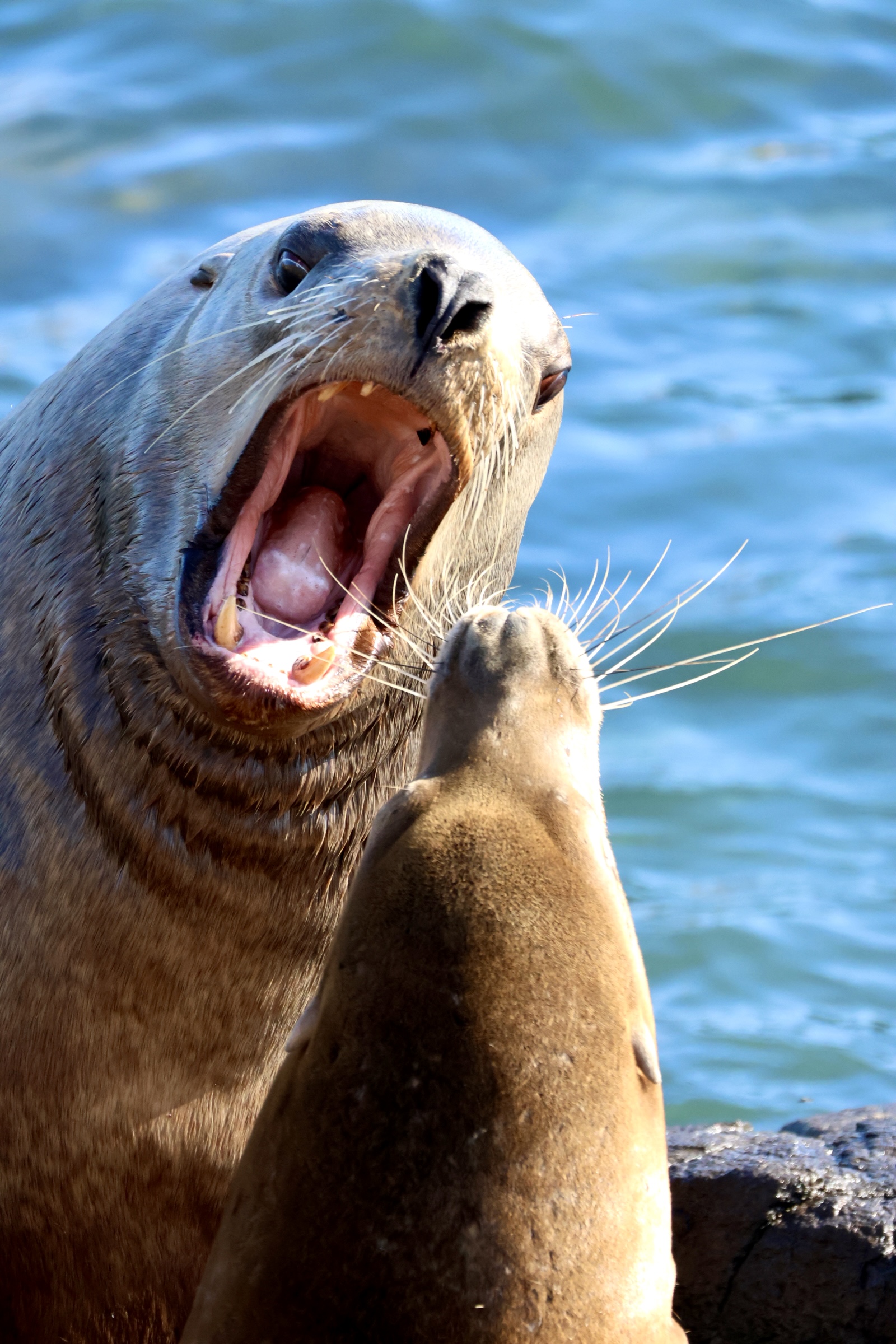
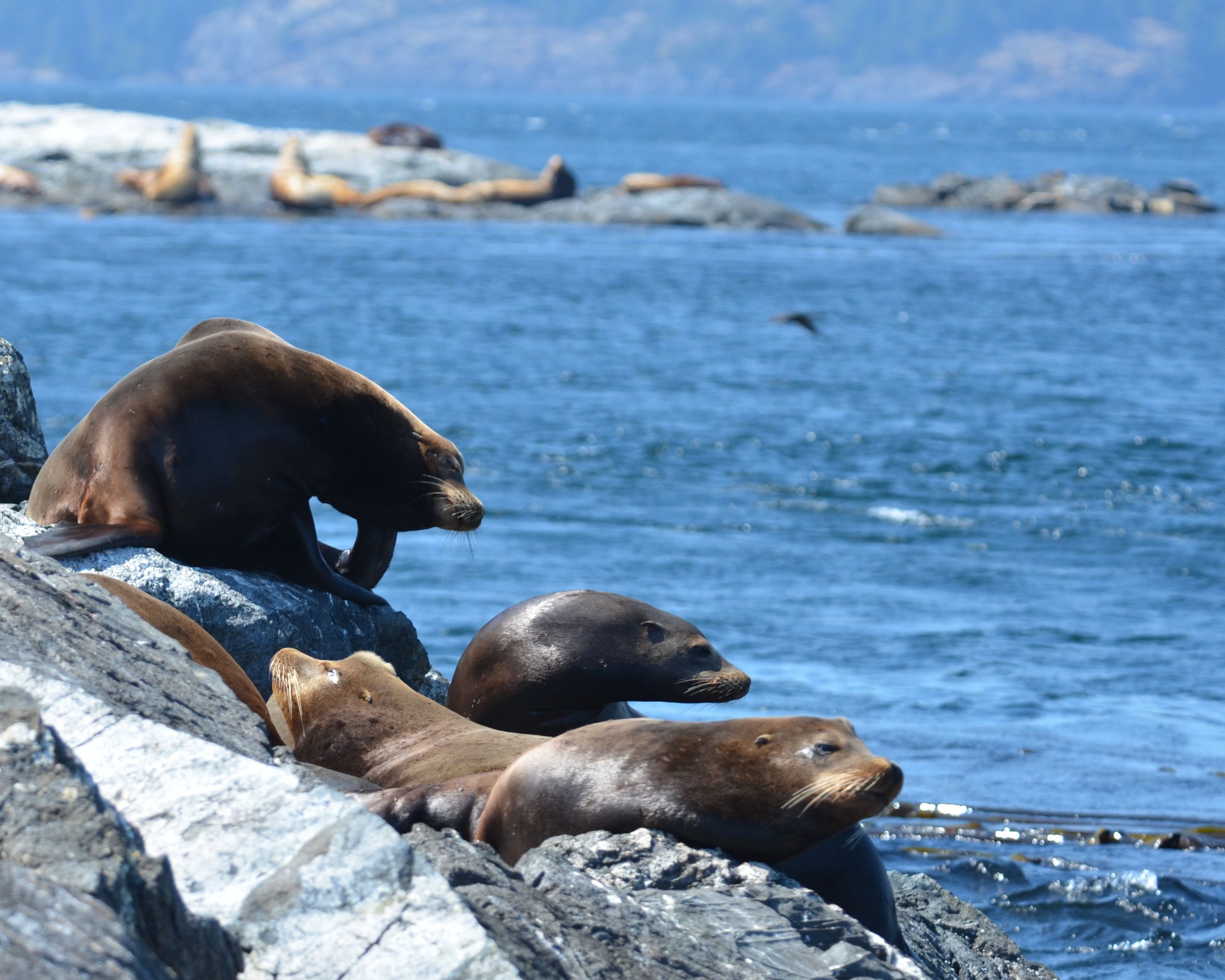
  • California sea lion: 390
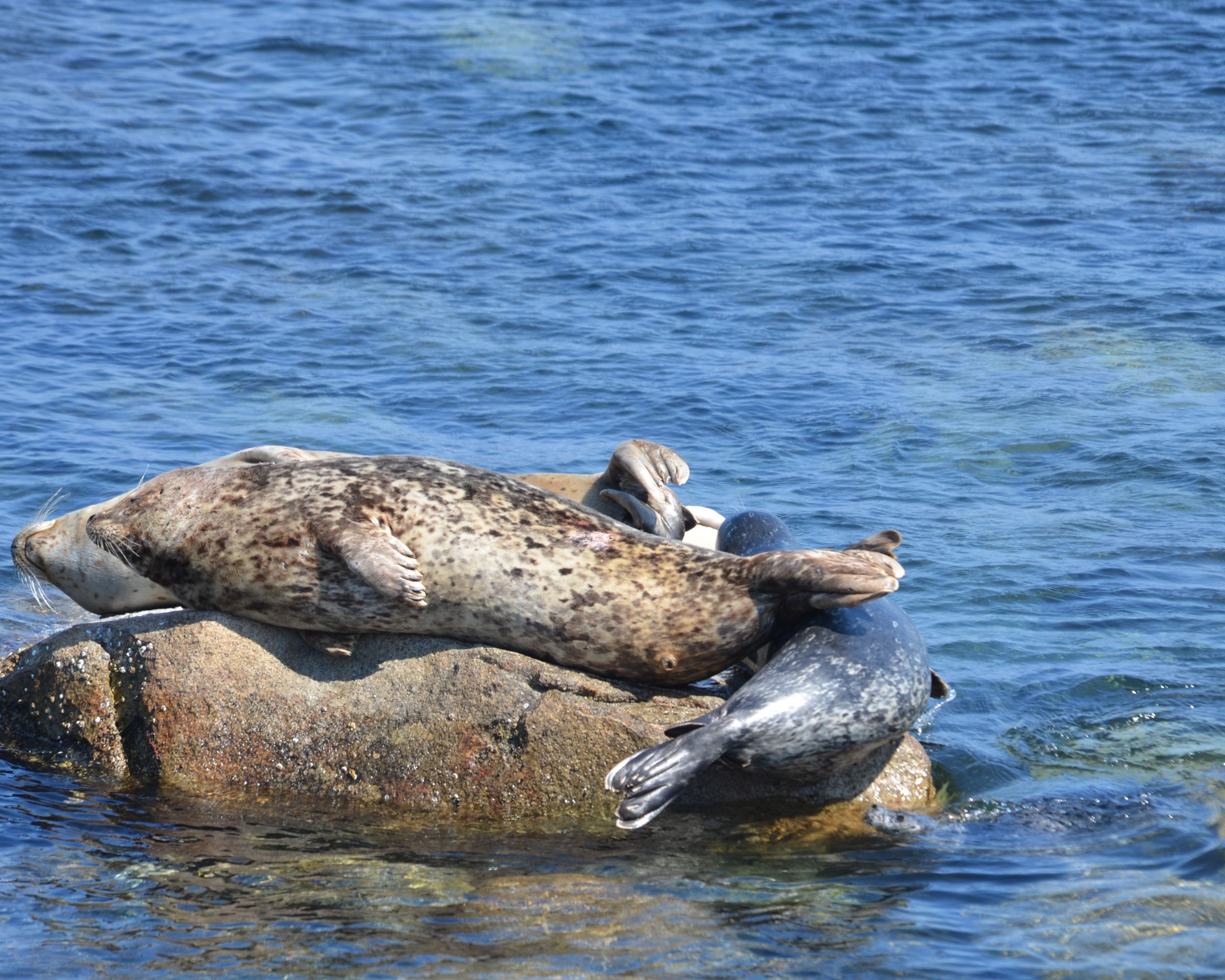
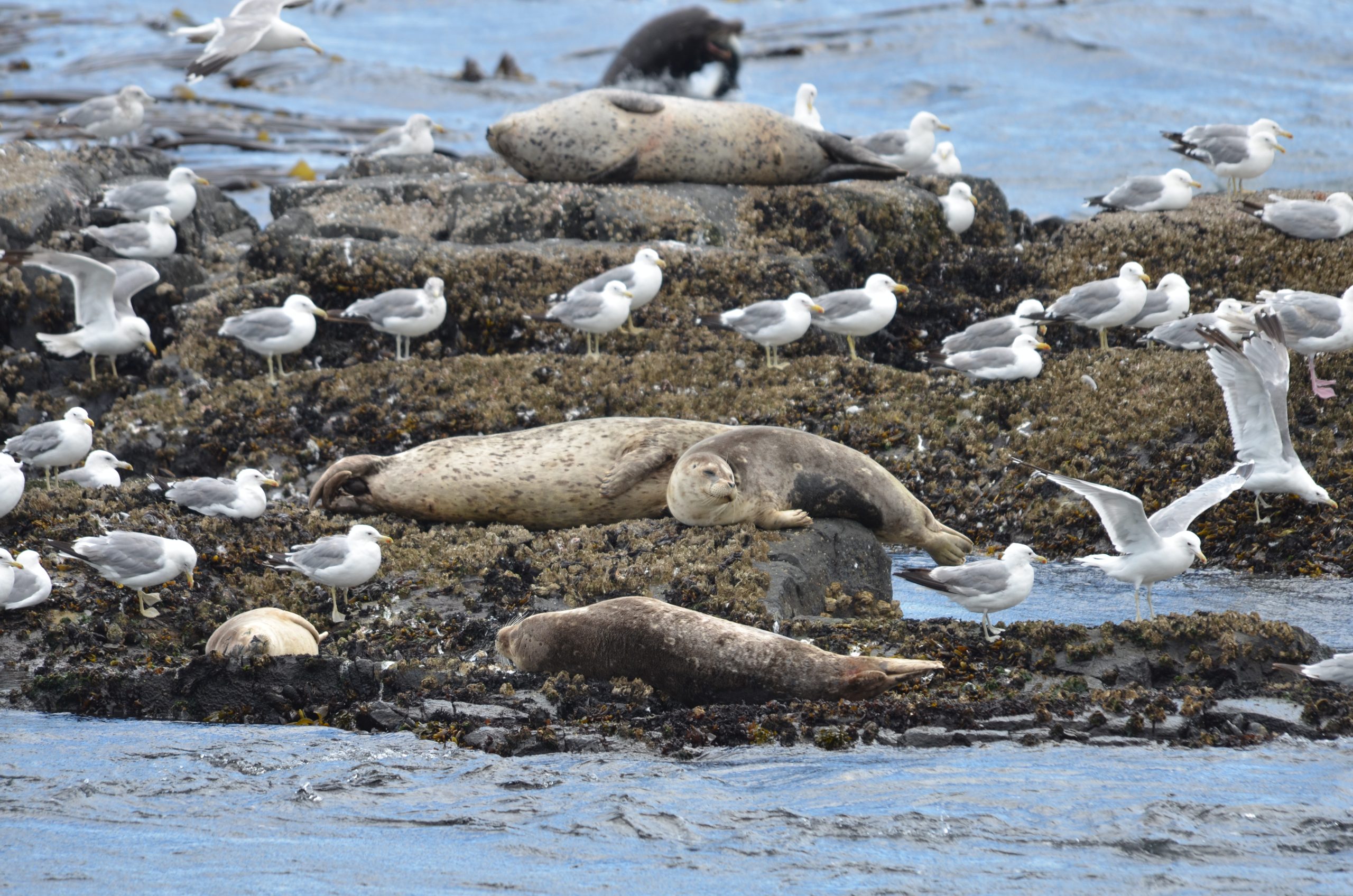
  • Harbour seal: 49
  • Humpback whale: tons, as far as the eye can see

Birds:

  • Canada goose: 10
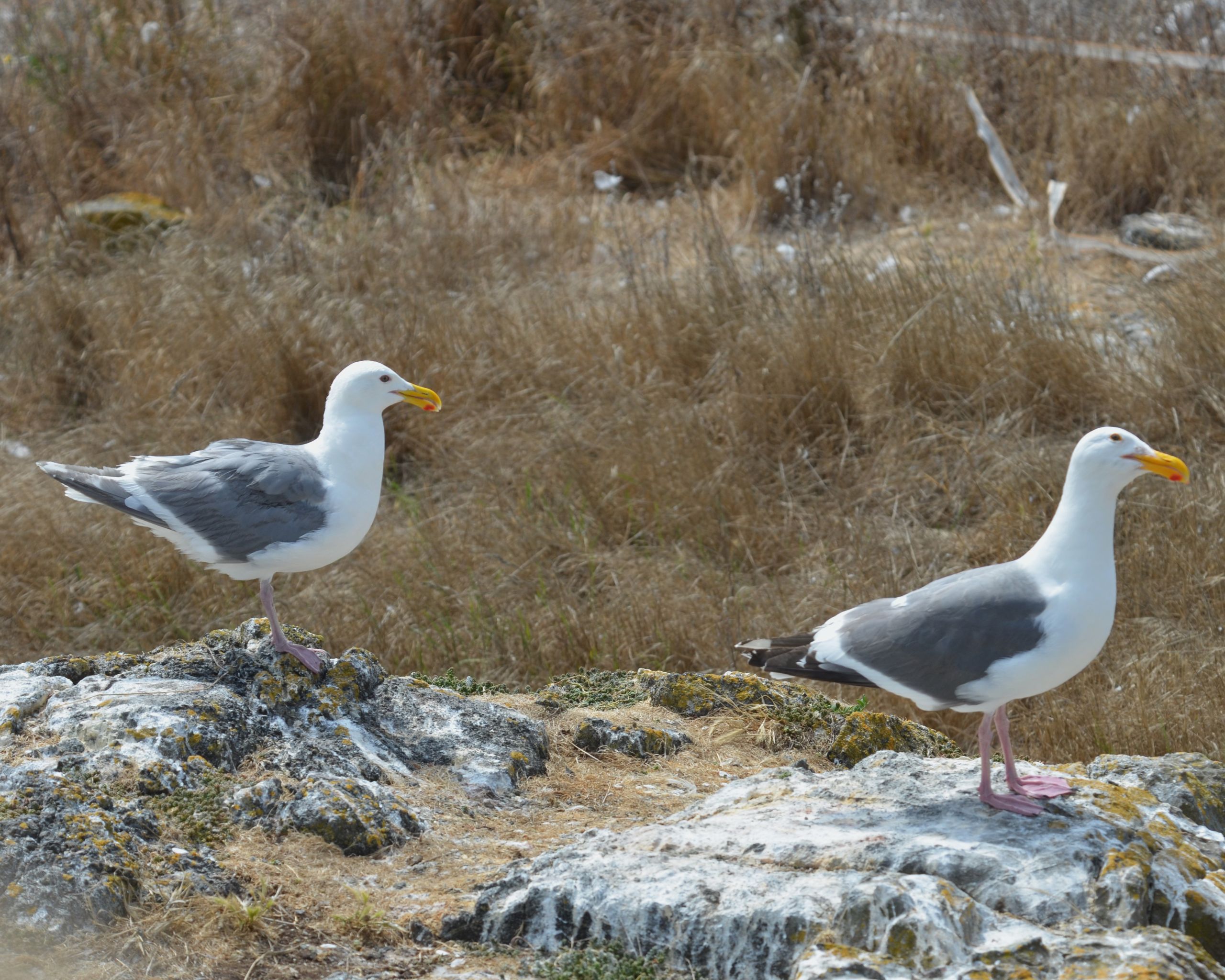
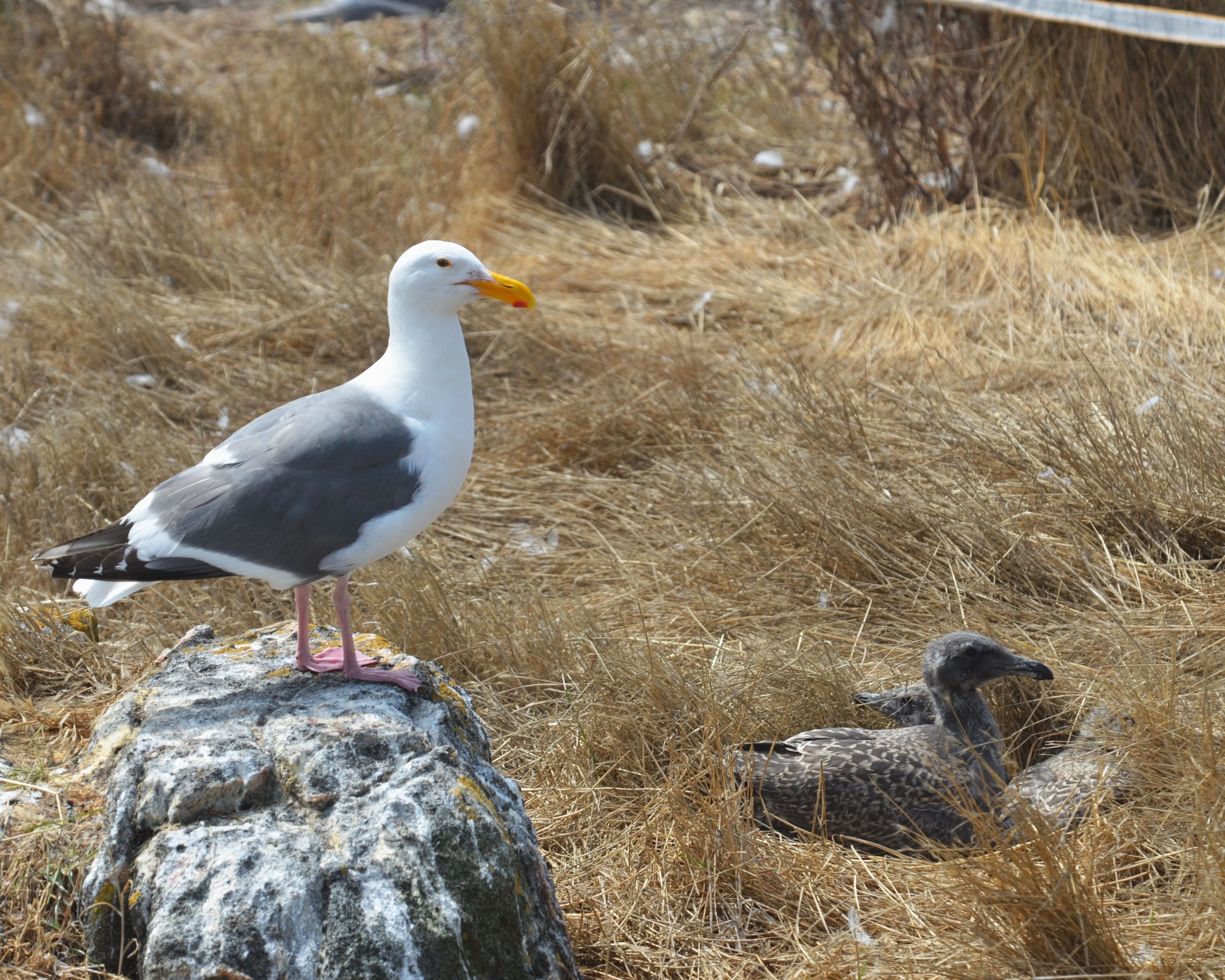
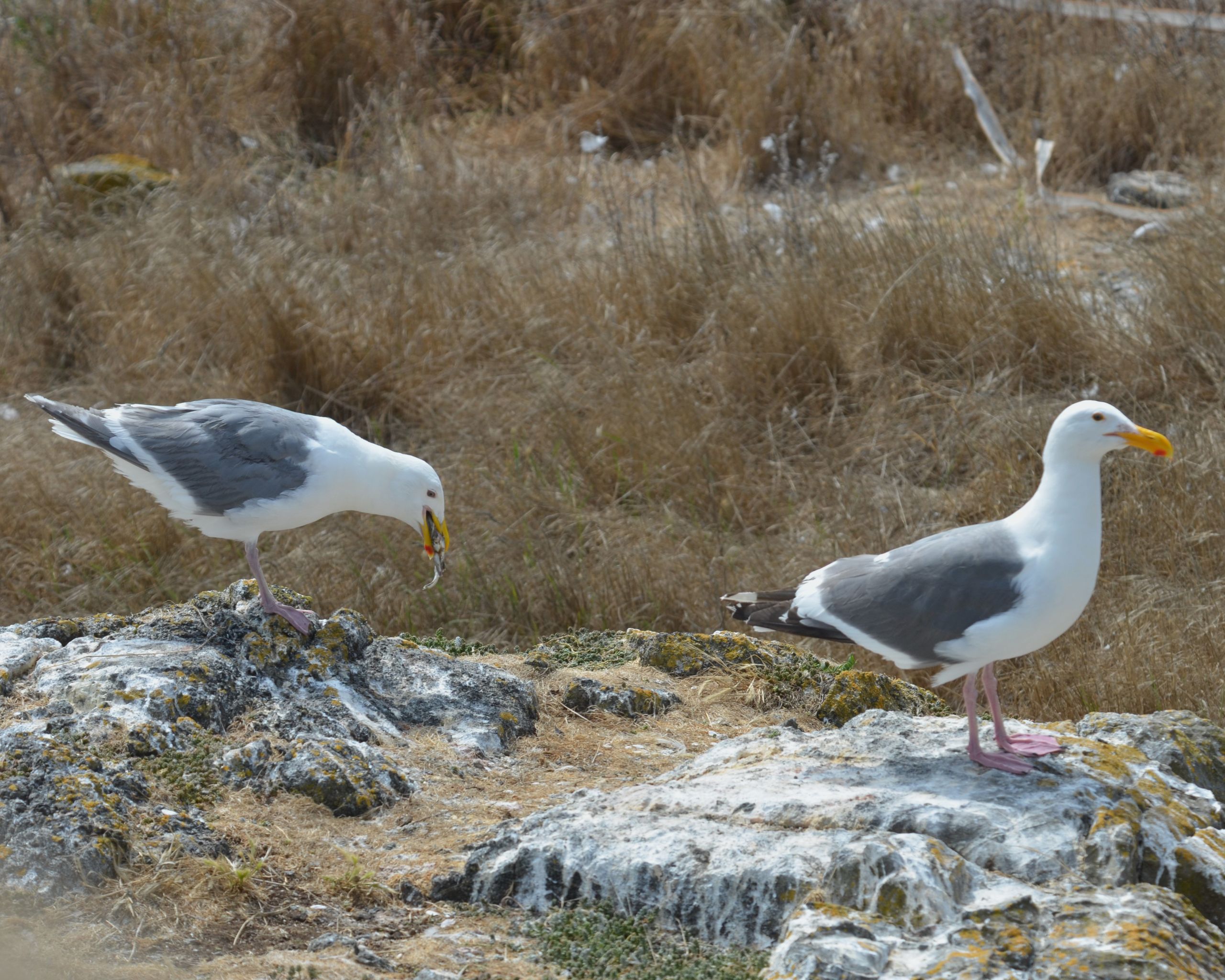
  • Gulls: 608
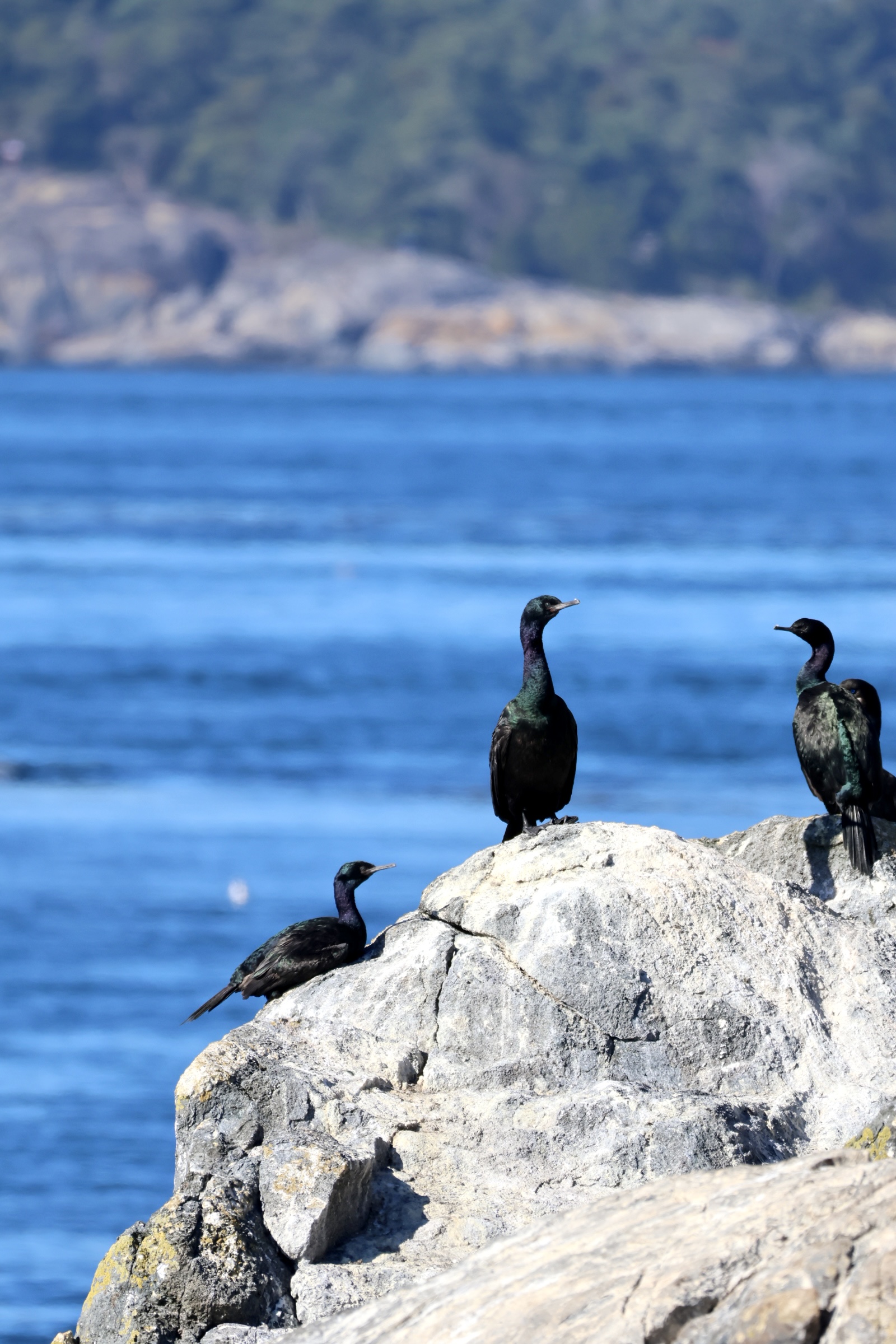
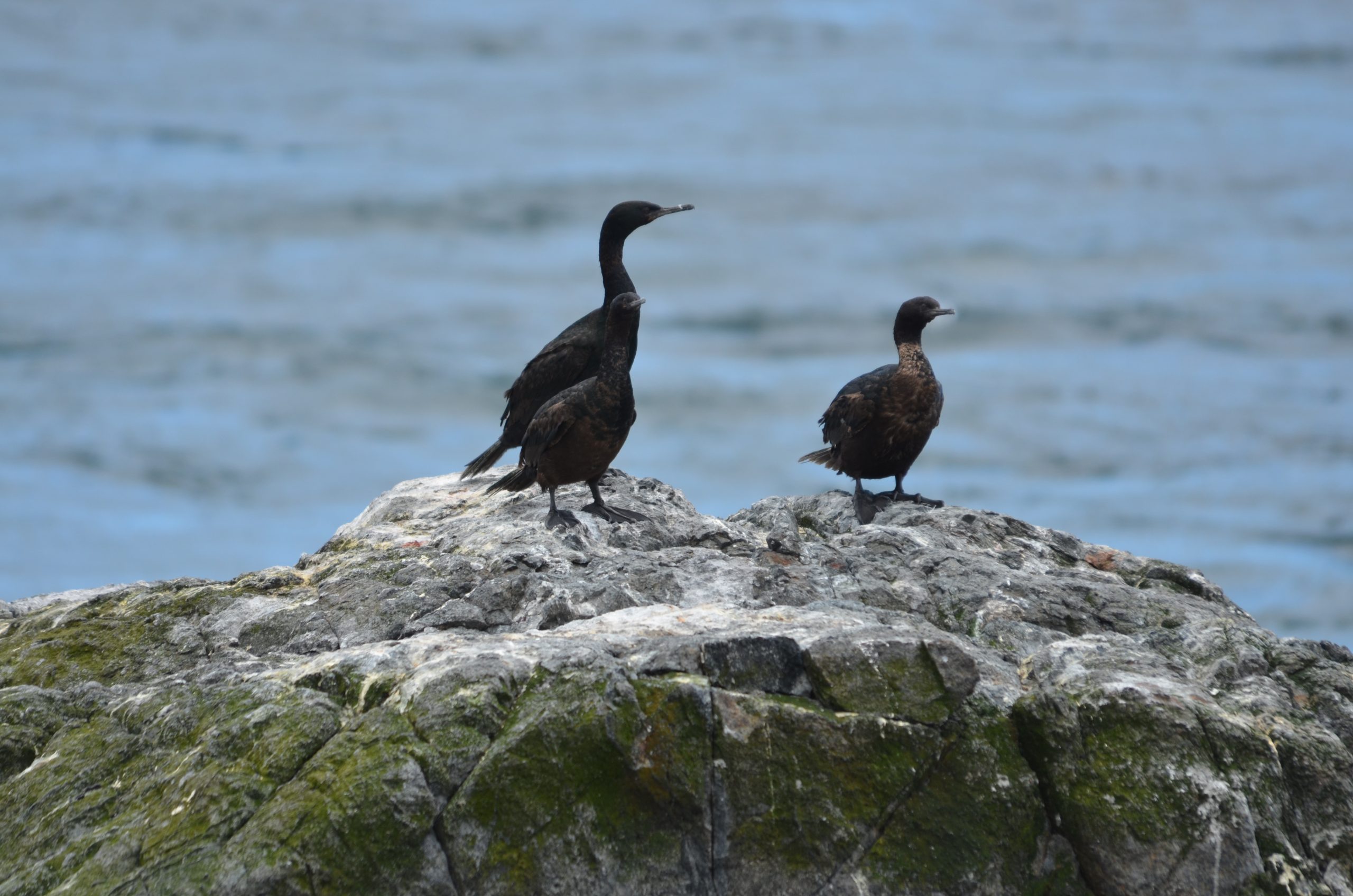
  • Cormorants: 502
  • Turnstones: 73
  • Sparrows: 20+ but they are so fast I can’t keep track!
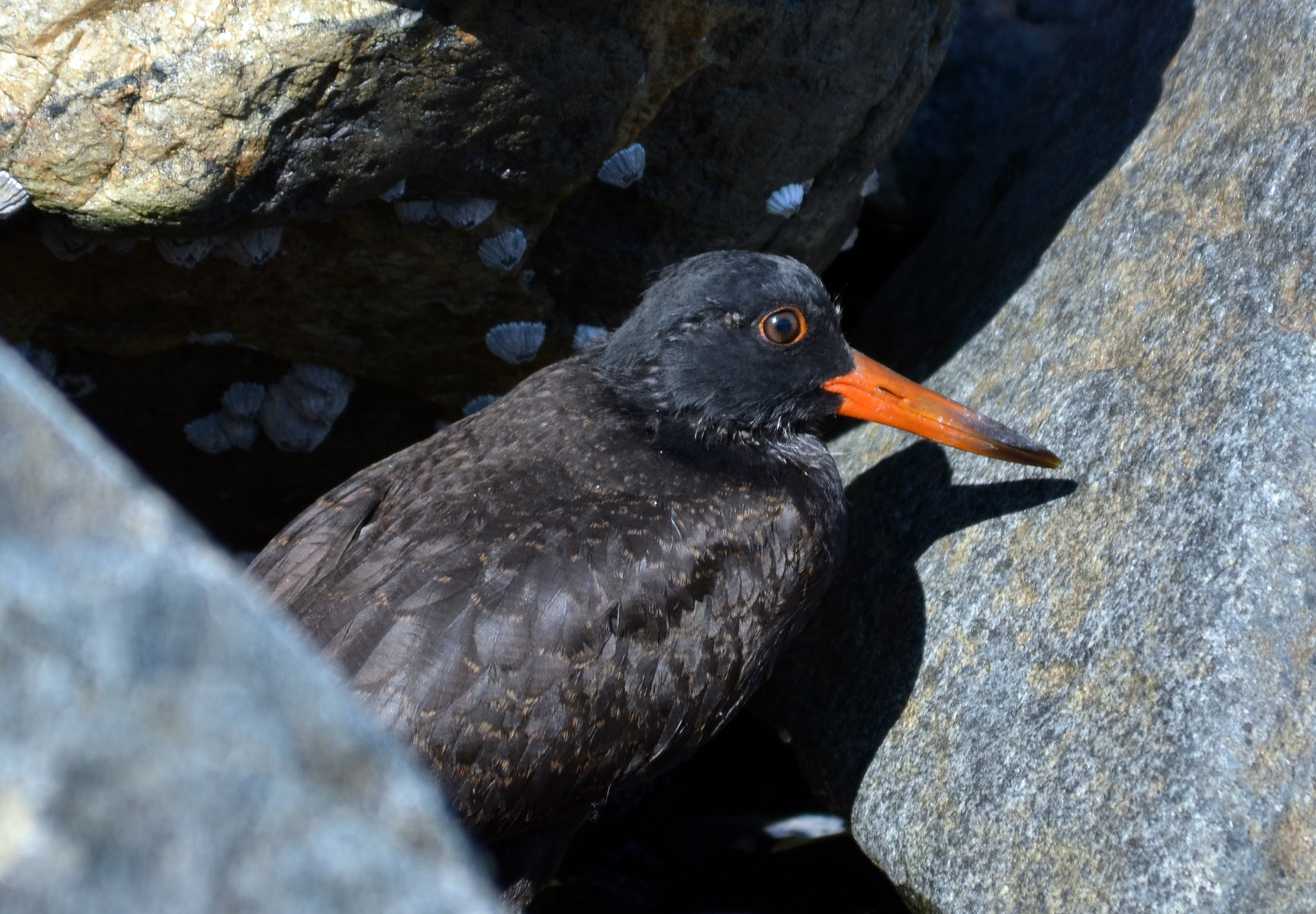
  • Oyster catcher: 7
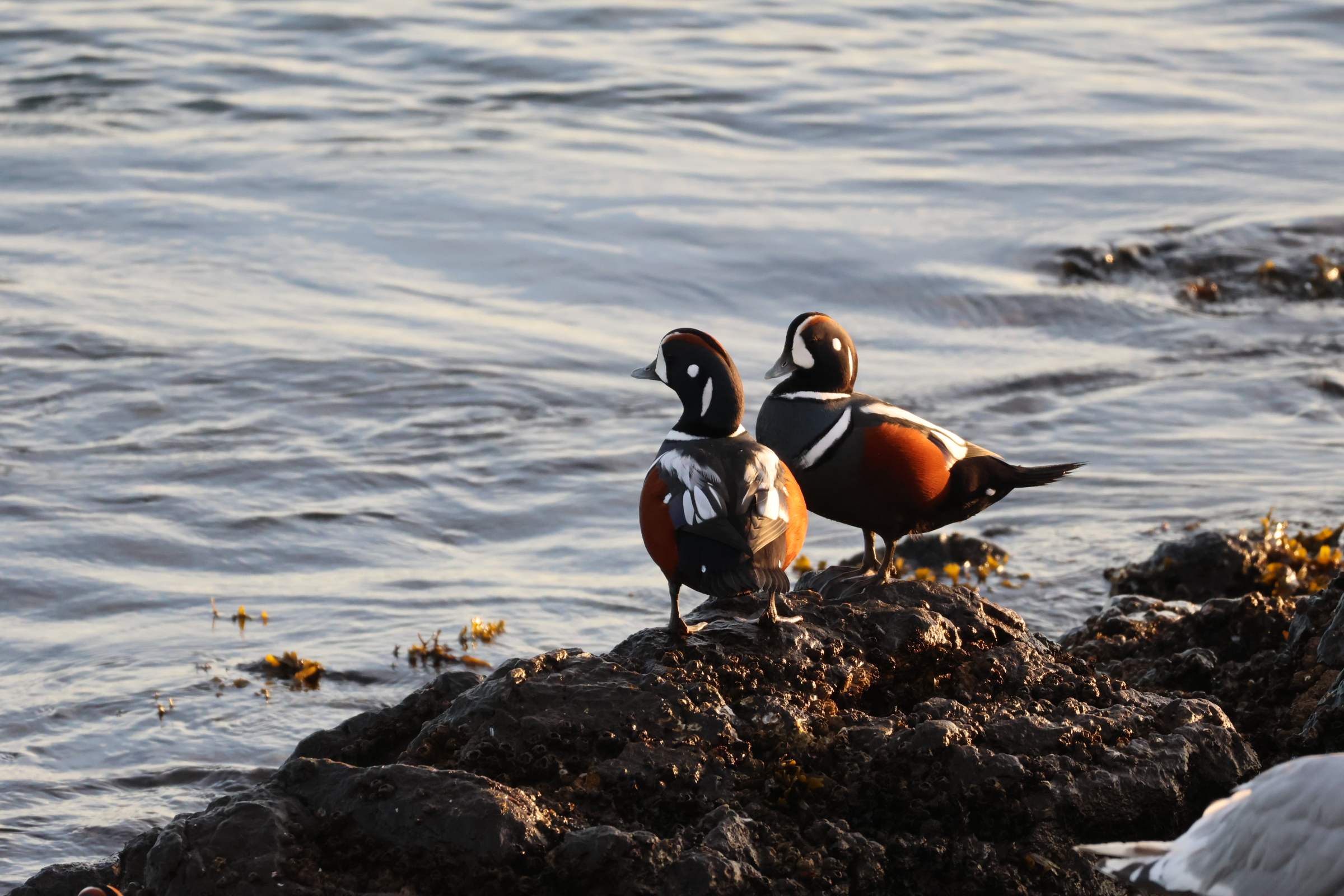
  • Harlequin duck: 22
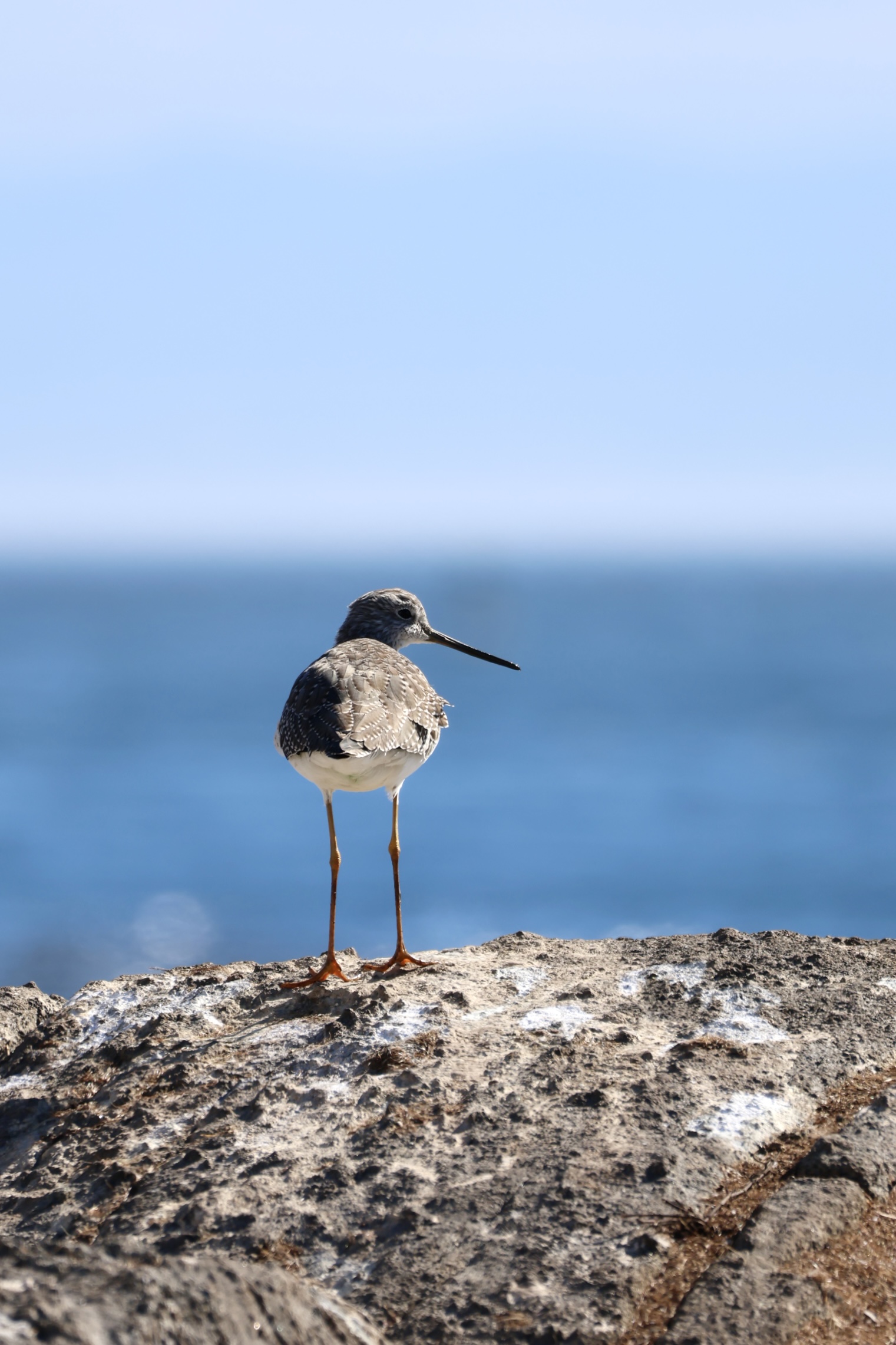
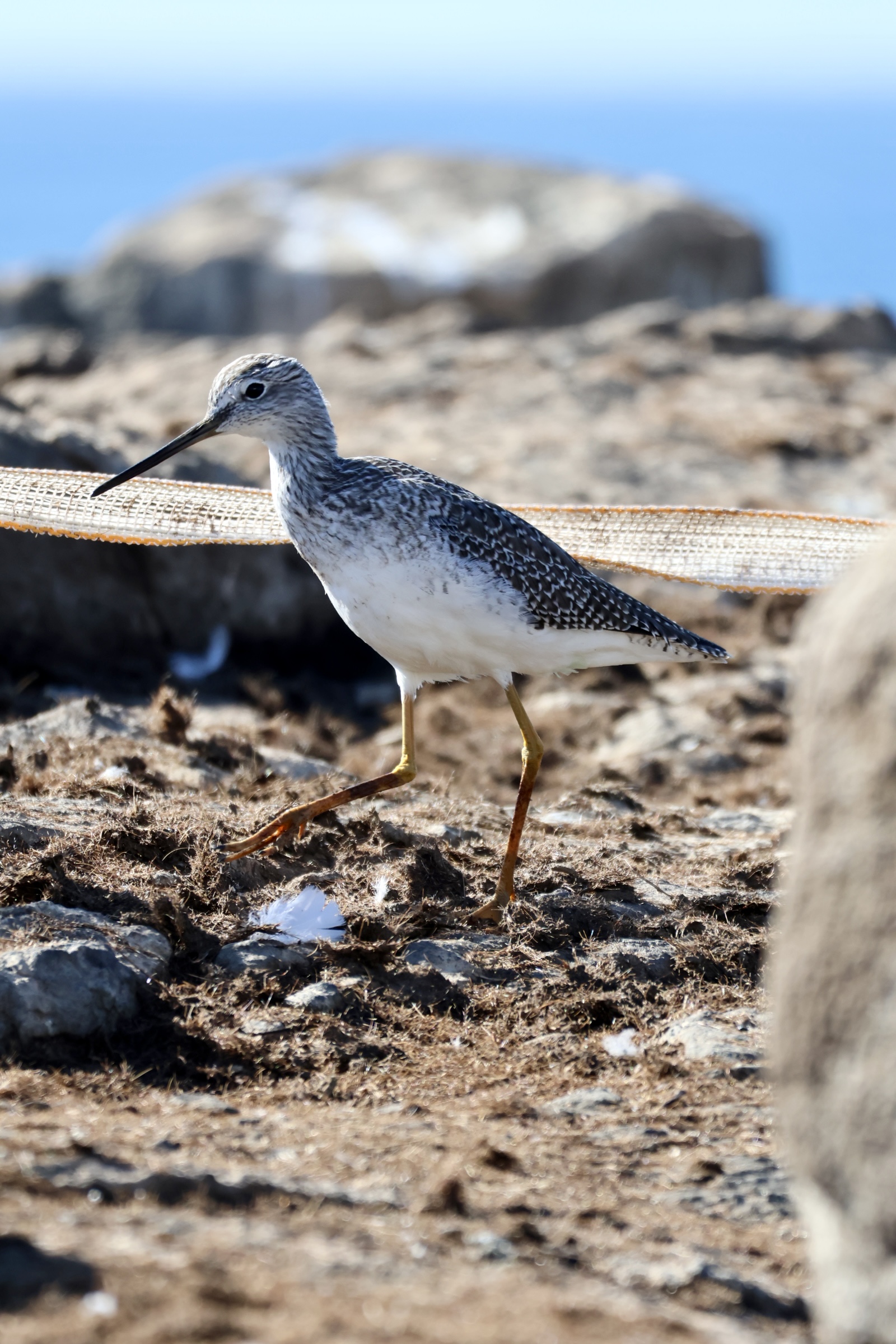
  • Greater yellow leg: 1
  • Osprey: 1
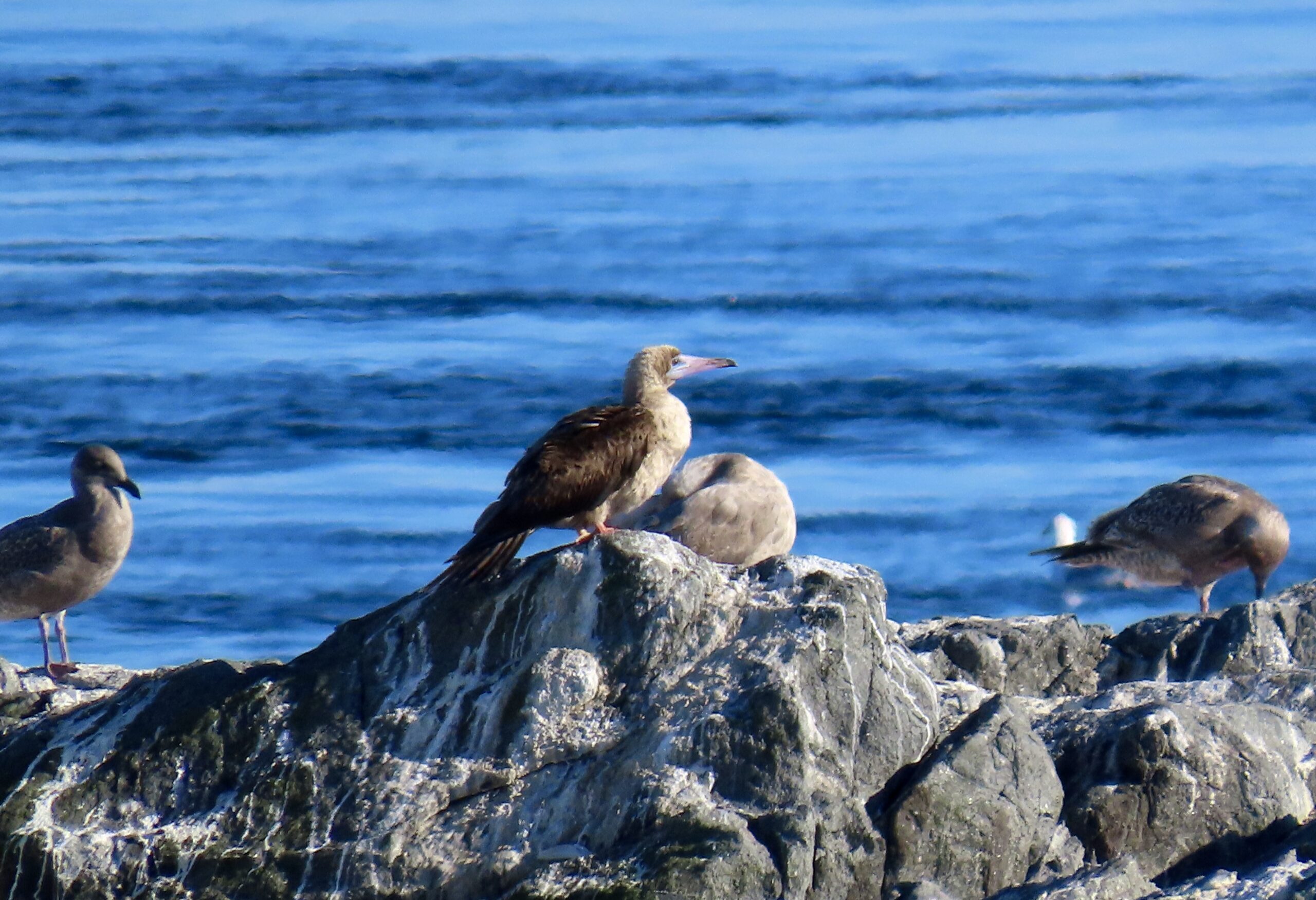
  • Red-Footed booby: 1

Shout out to my cousin (and wildlife biologist) Nick for helping me ID the osprey and greater yellow leg!

Facility work:

  • Ran generator in the morning, solar took it the rest of the way!
  • Minor fence repairs
  • Started weeding around the old wheel bricks

September 26 Census

Mammals:

  • California sealion: 614 plus 9 on outer islets
  • Stellar sealion: 350 plus 287 on outer islets, mainly Middle Rock
  • harbour seal: 64
  • humpback whales: 5 inside the reserve, more outside
  • sea otter: 1

Birds:

  • gulls: 352
  • cormorant: 367
  • Canada goose: 9
  • harlequin duck: 4
  • black oystercatcher: 3 juveniles
  • black turnstone: 71
  • surf bird: 43
  • western sandpiper: 2
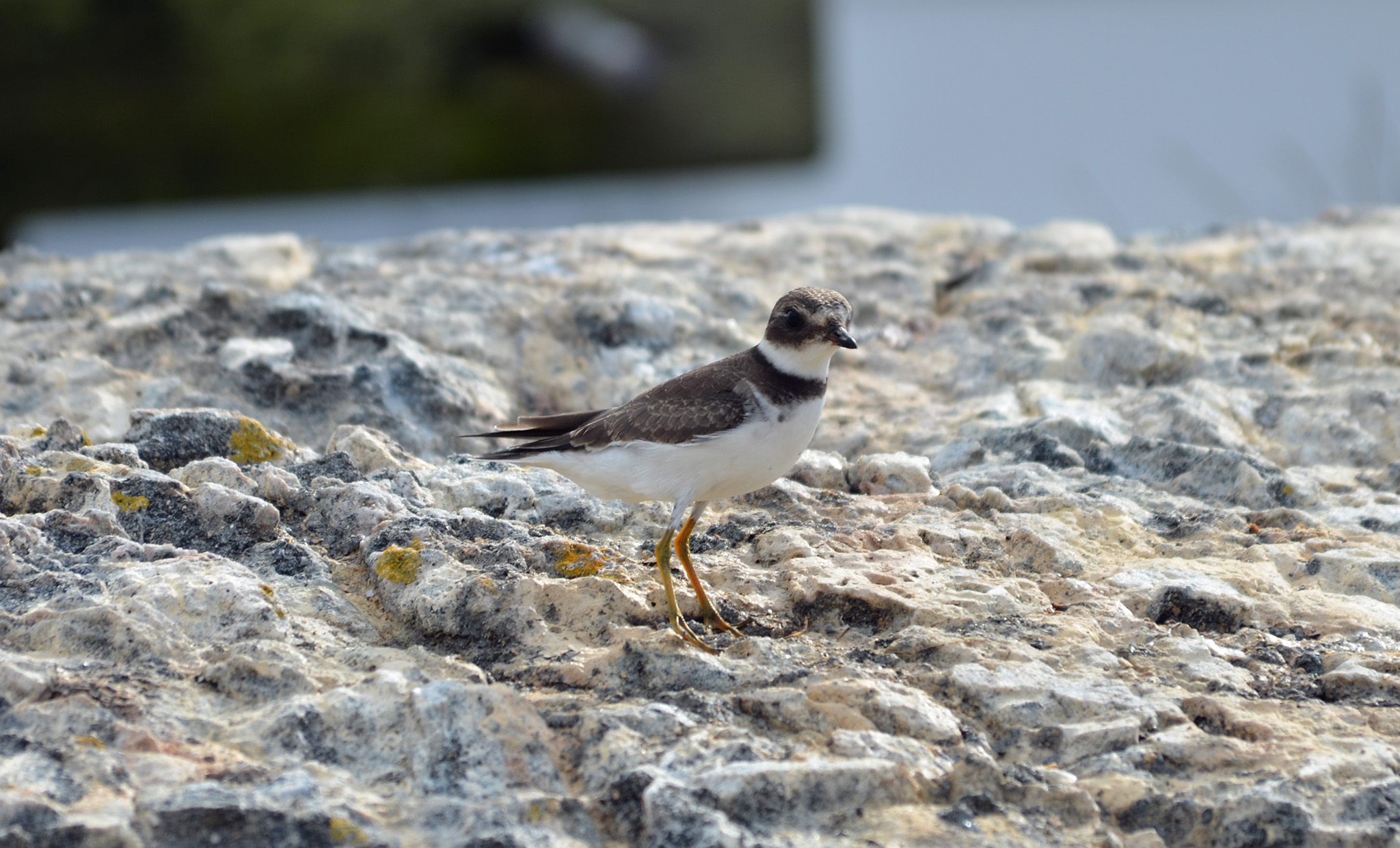
  • semipalmated plover: 1
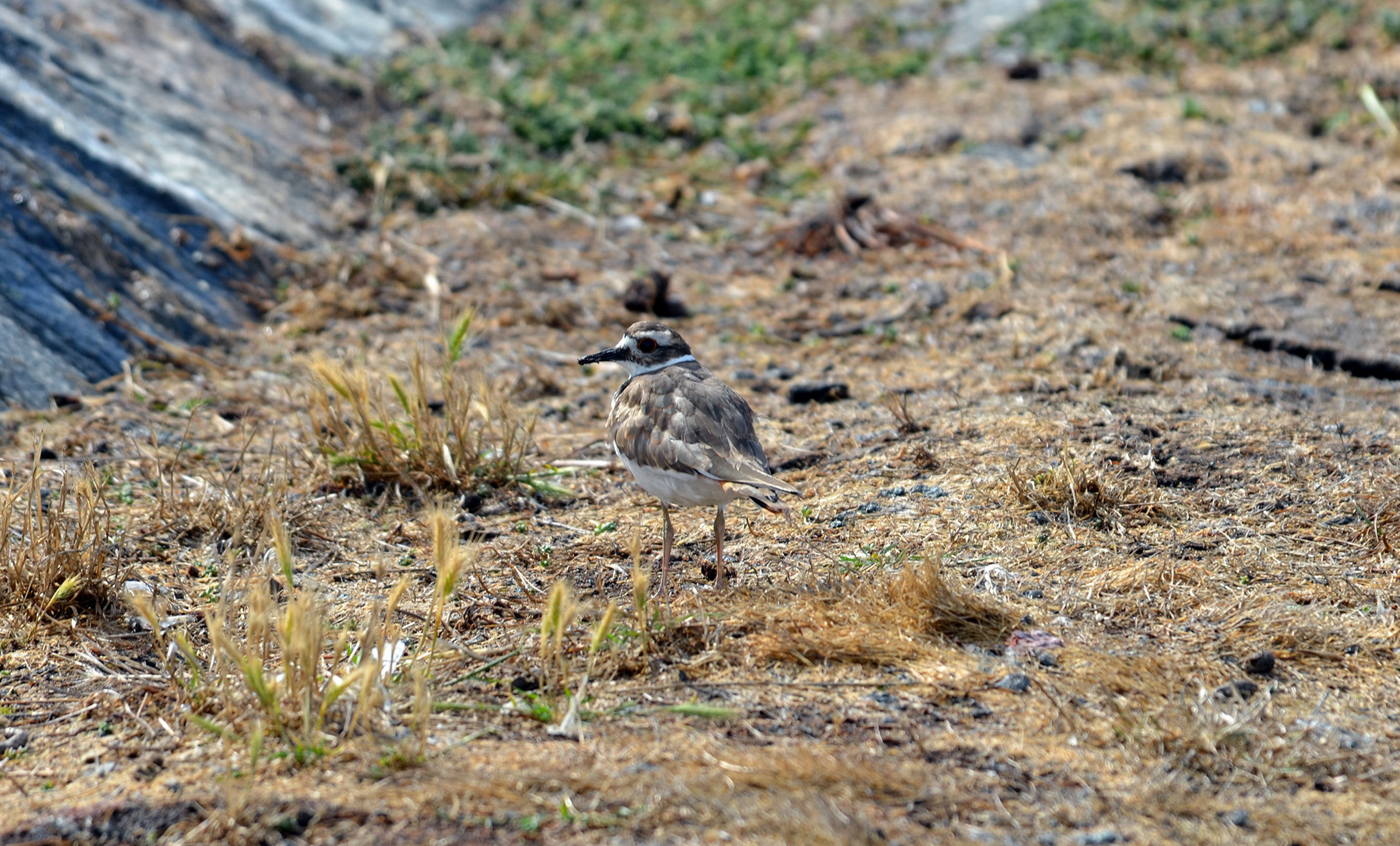
  • killdeer: 2
  • savanna sparrow: 11

Notes on census

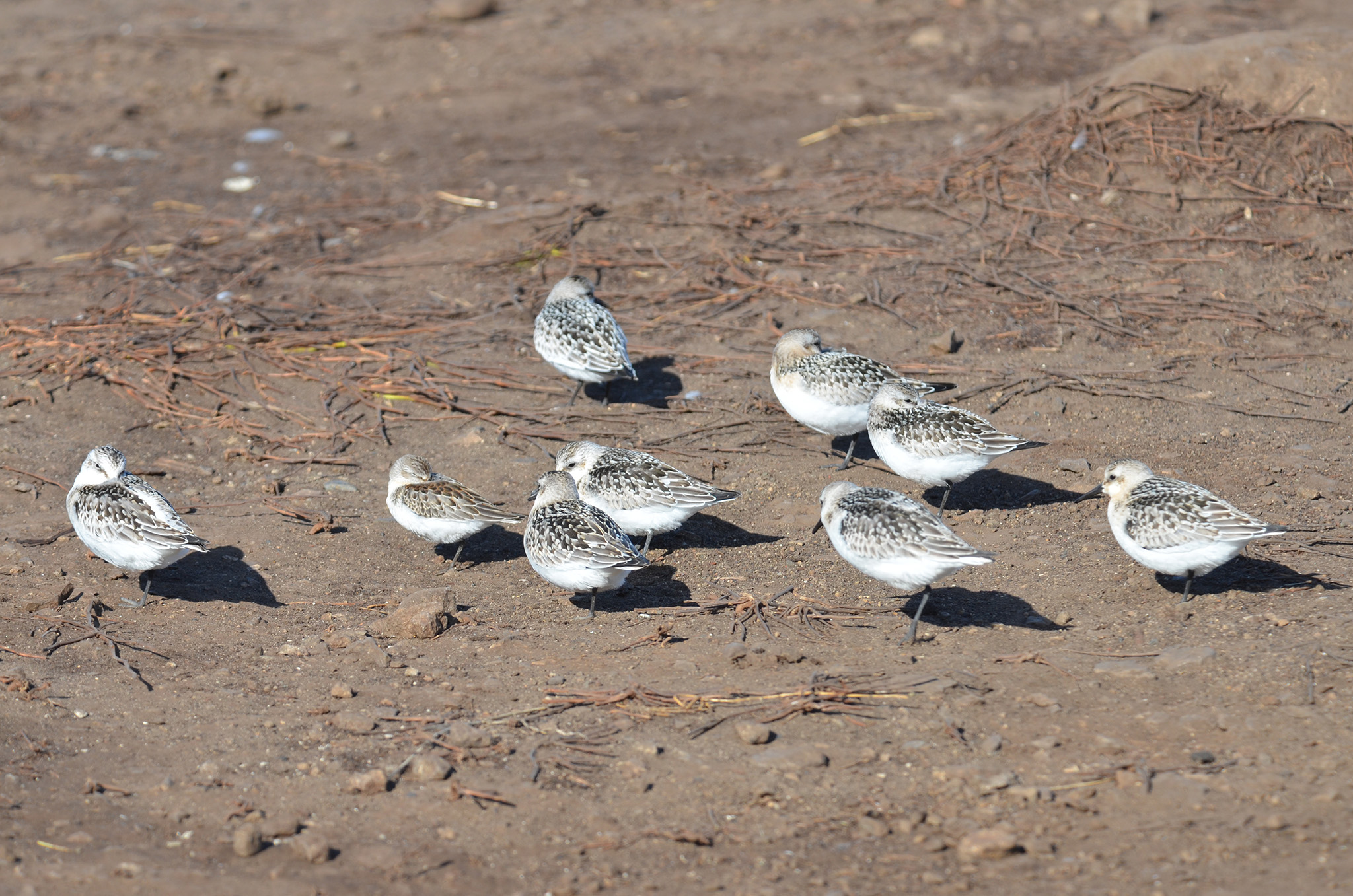
Wildlife seen this week but not observed on census day were eight sanderling. The red-footed booby was on Race Rocks this week according to BC Rare Bird Alert. The numbers of sea lions, especially the Stellar sea lions is likely higher. Oddly I haven’t seen or heard an eagle this week.

The census took a long time today.  There were several trips up the lighthouse and just too much to count!

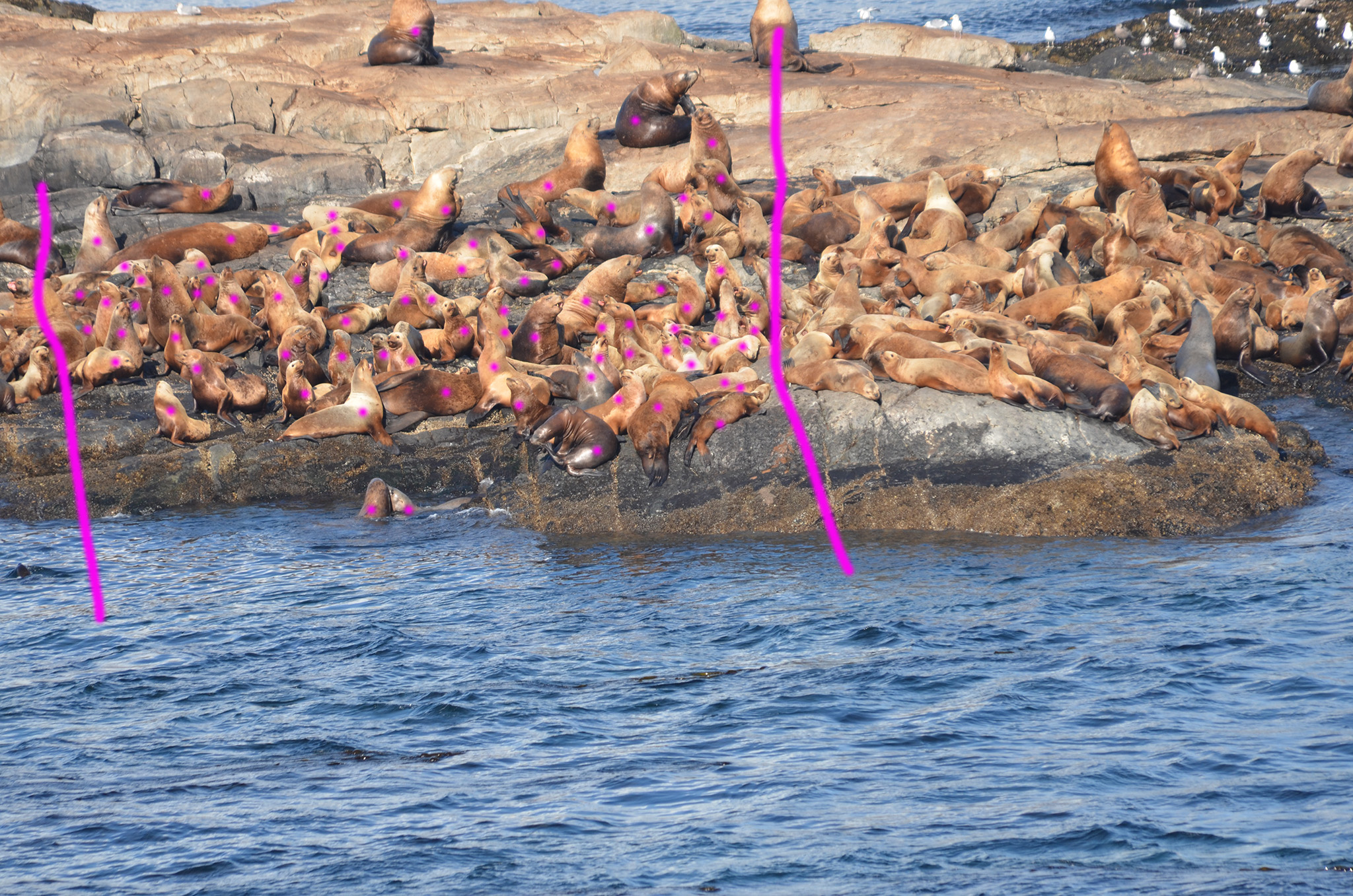
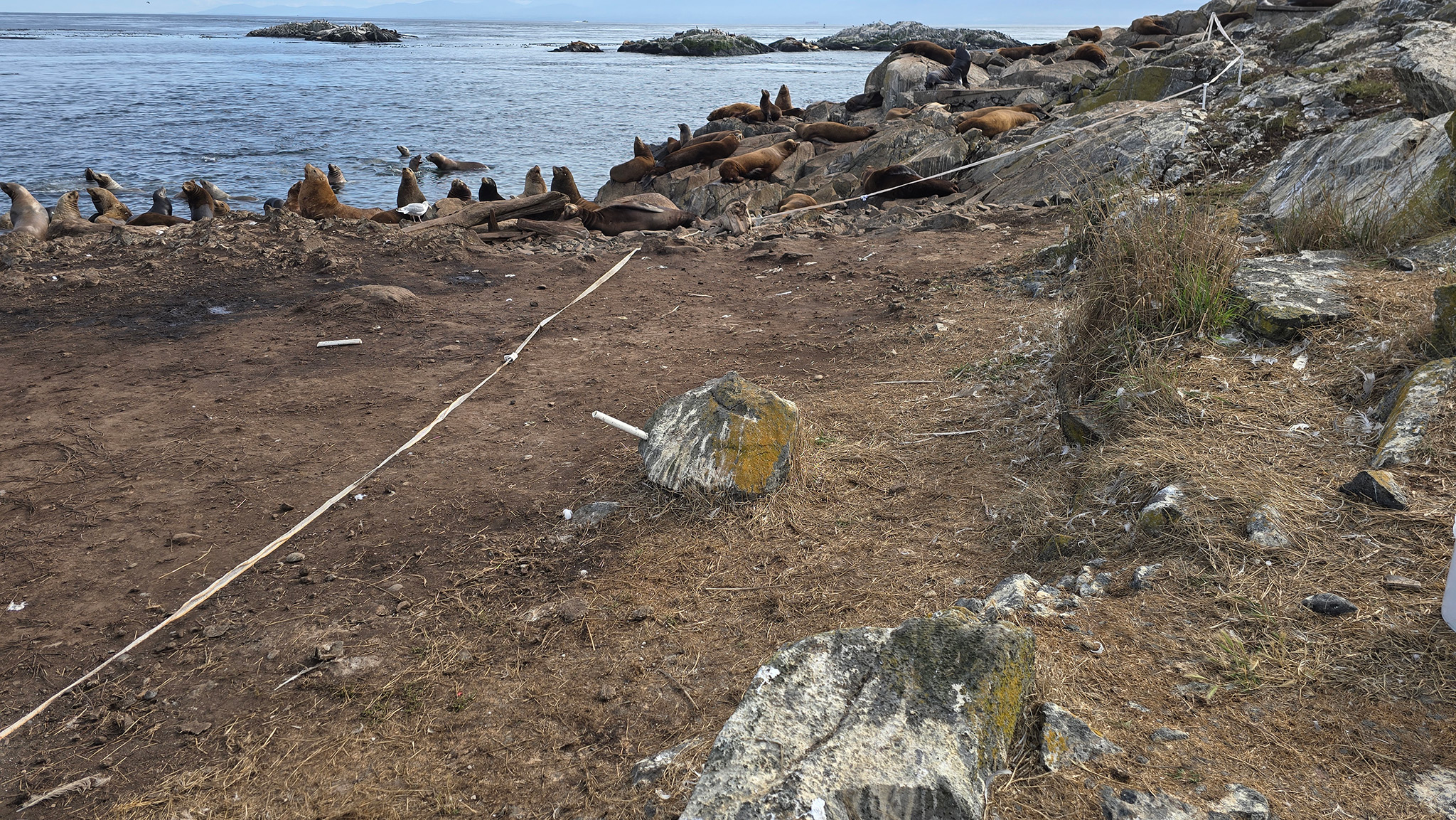
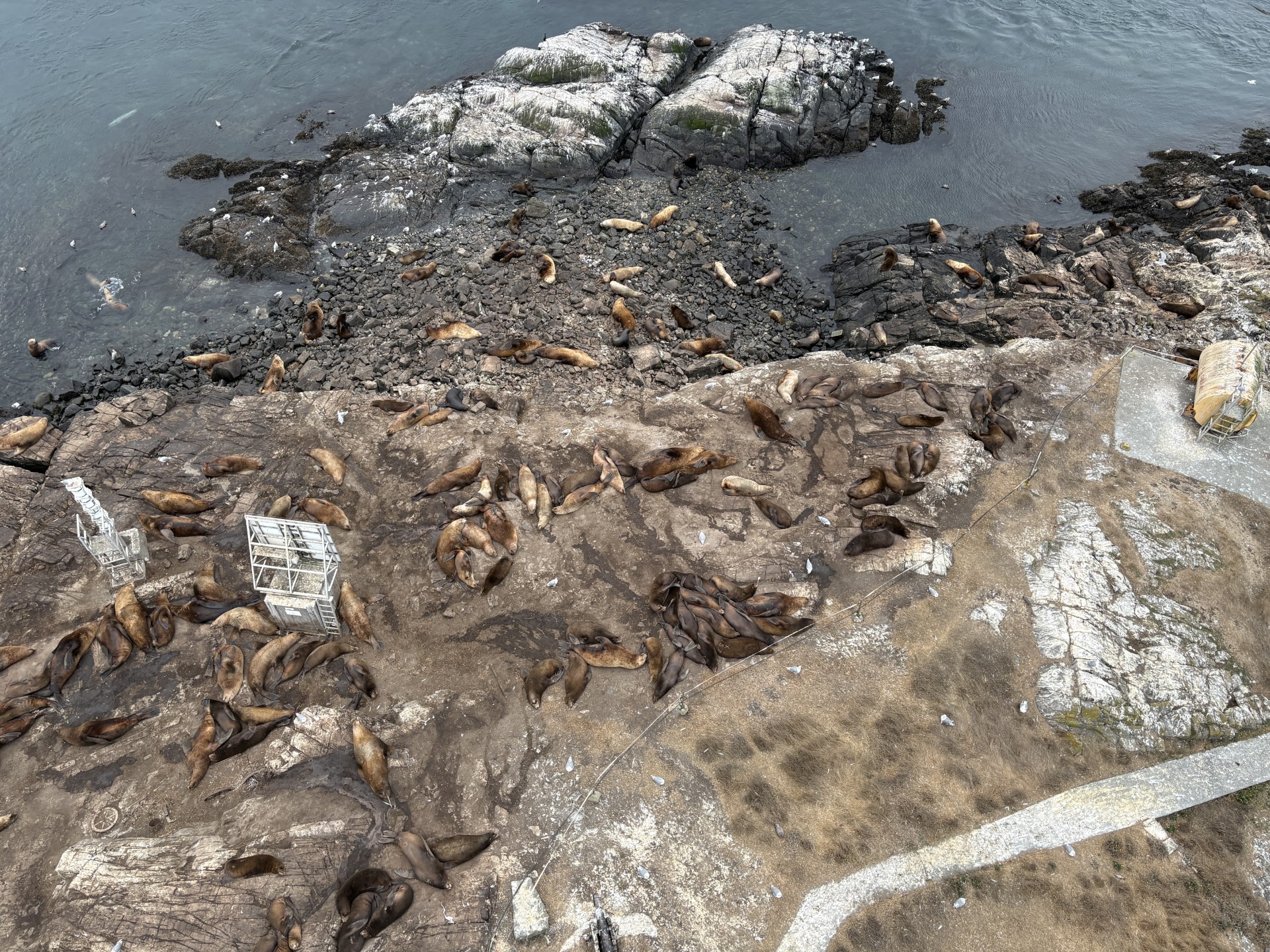
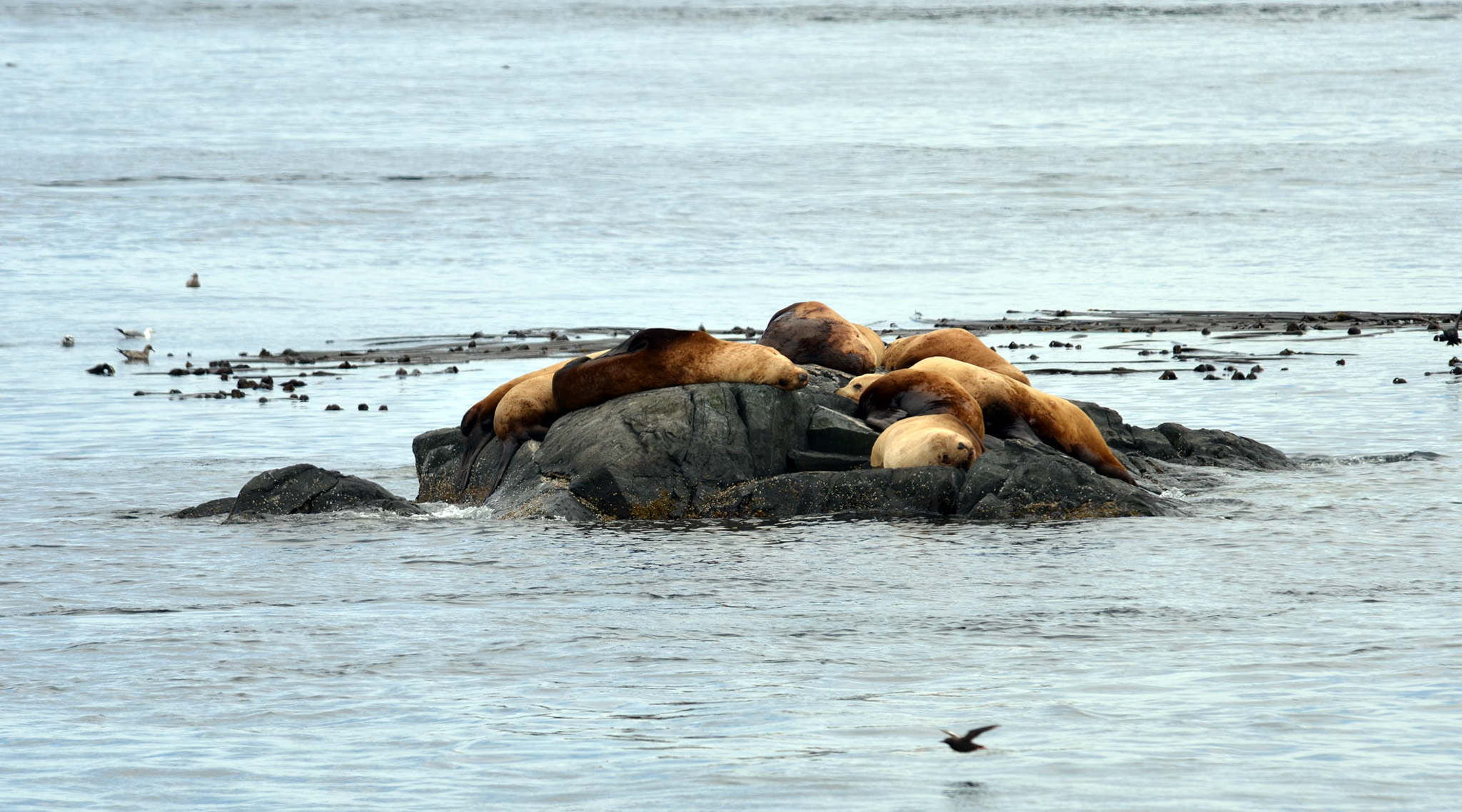
This is photo 2 of 4 taken in a series to count the sea lions on Middle rock, one of the outer islands. There were so many sea lions I needed to count them using this method. The number of sea lions in the census would surely be higher if I could see the back side of the outer islands!

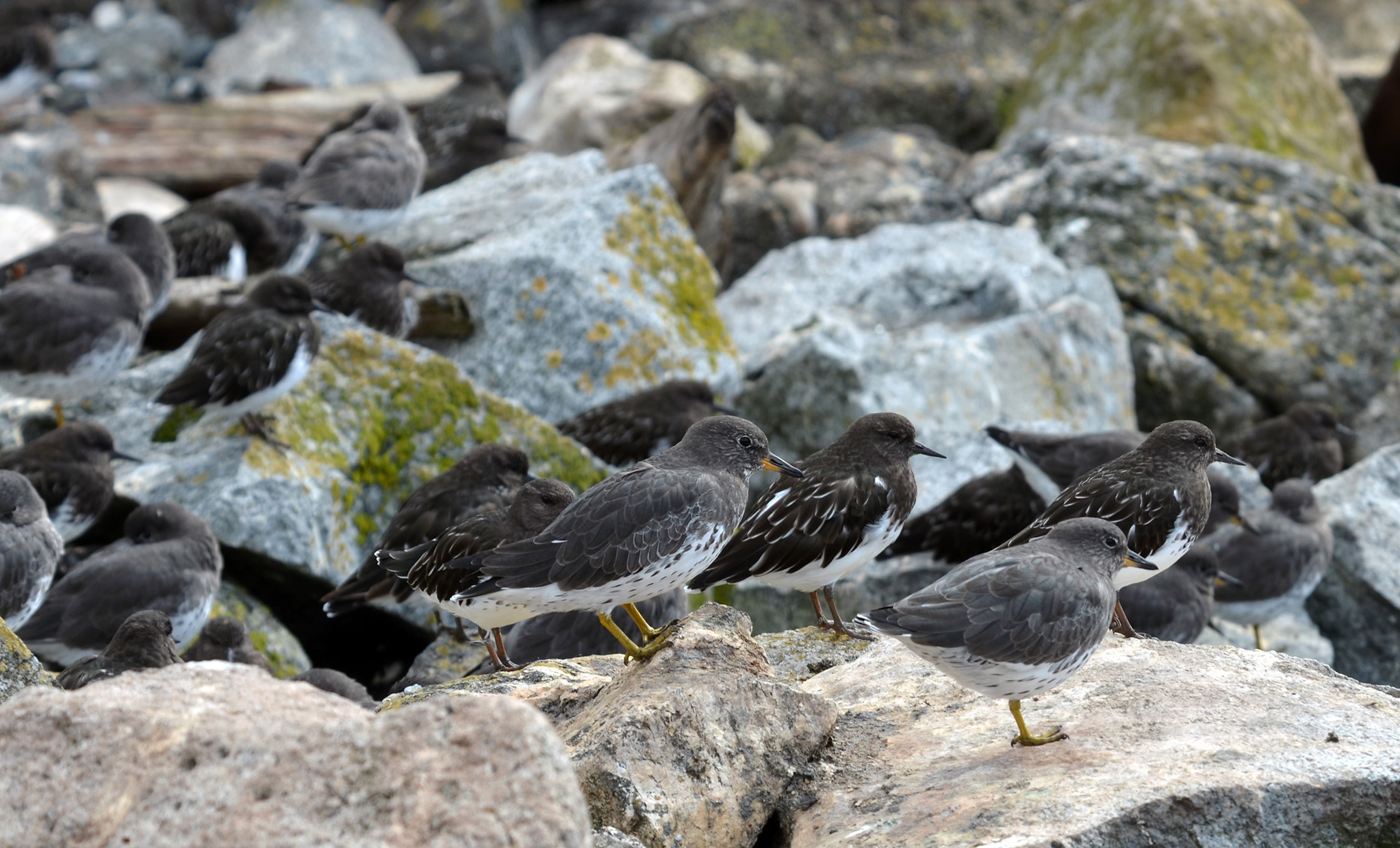
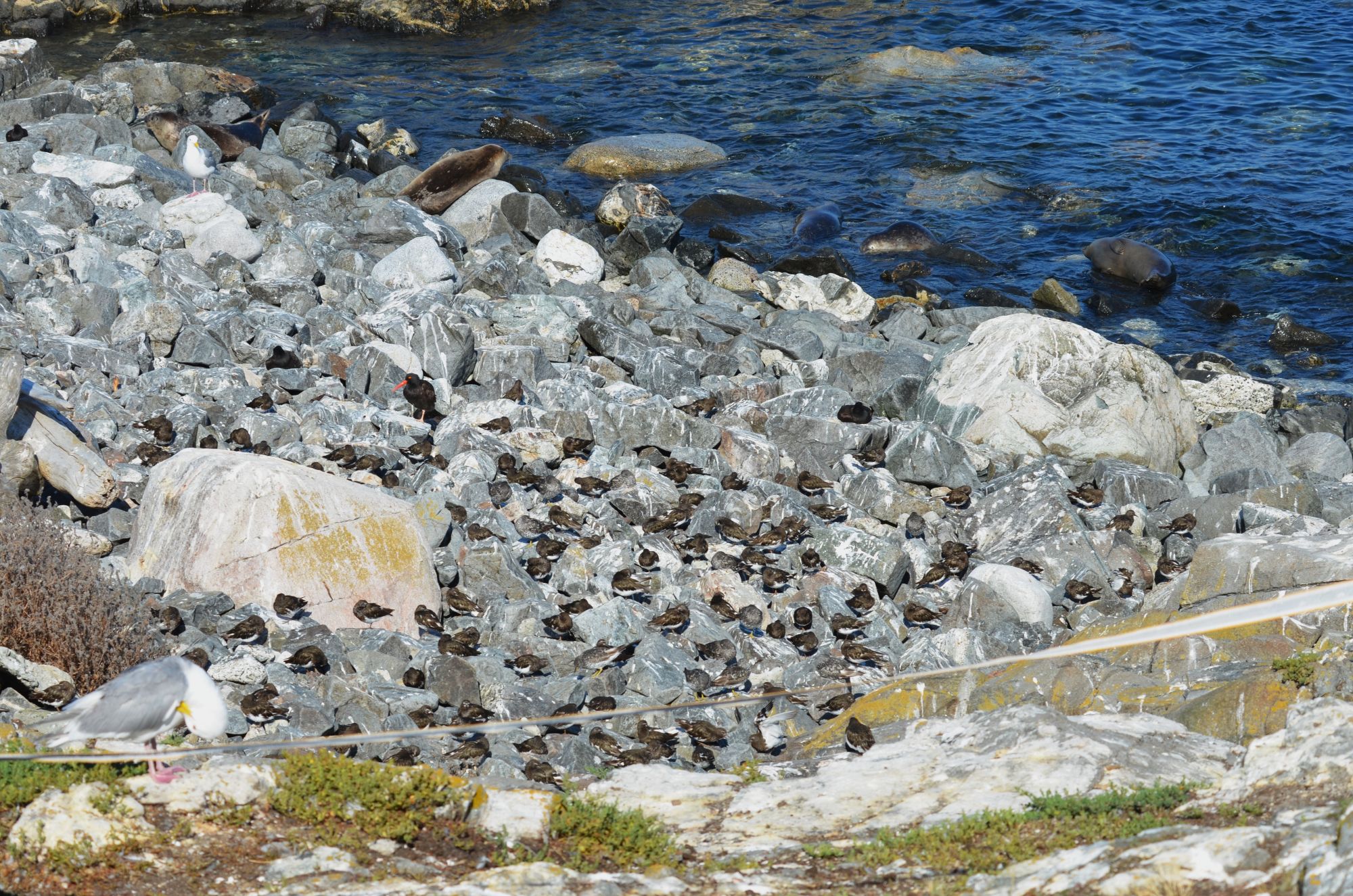
Surfbirds and black turnstones on the Energy Building beach.

Semipalmated plover.

Killdeer.

Eight sanderlings and a western sandpiper in the flats between East beach and the Jetty, in a spot free of sea lions.

Facility work

The sea lions didn’t just mess with the Jetty fencing today, they also took out a long section of the fence near East Beach.

  • ran the generator
  • repaired fences

A section of electric fence that the sea lions took out today. They dragged the line down to the beach and took a weathered tree root ball with it.

Vessels

  • Ecotourism: 30
  • Private: 13
  • Jet ski: 2

Weather

Clear skies. Winds light 0 to 6 knots, direction variable. Daytime temperatures 12 to 15 degrees.

My First Census

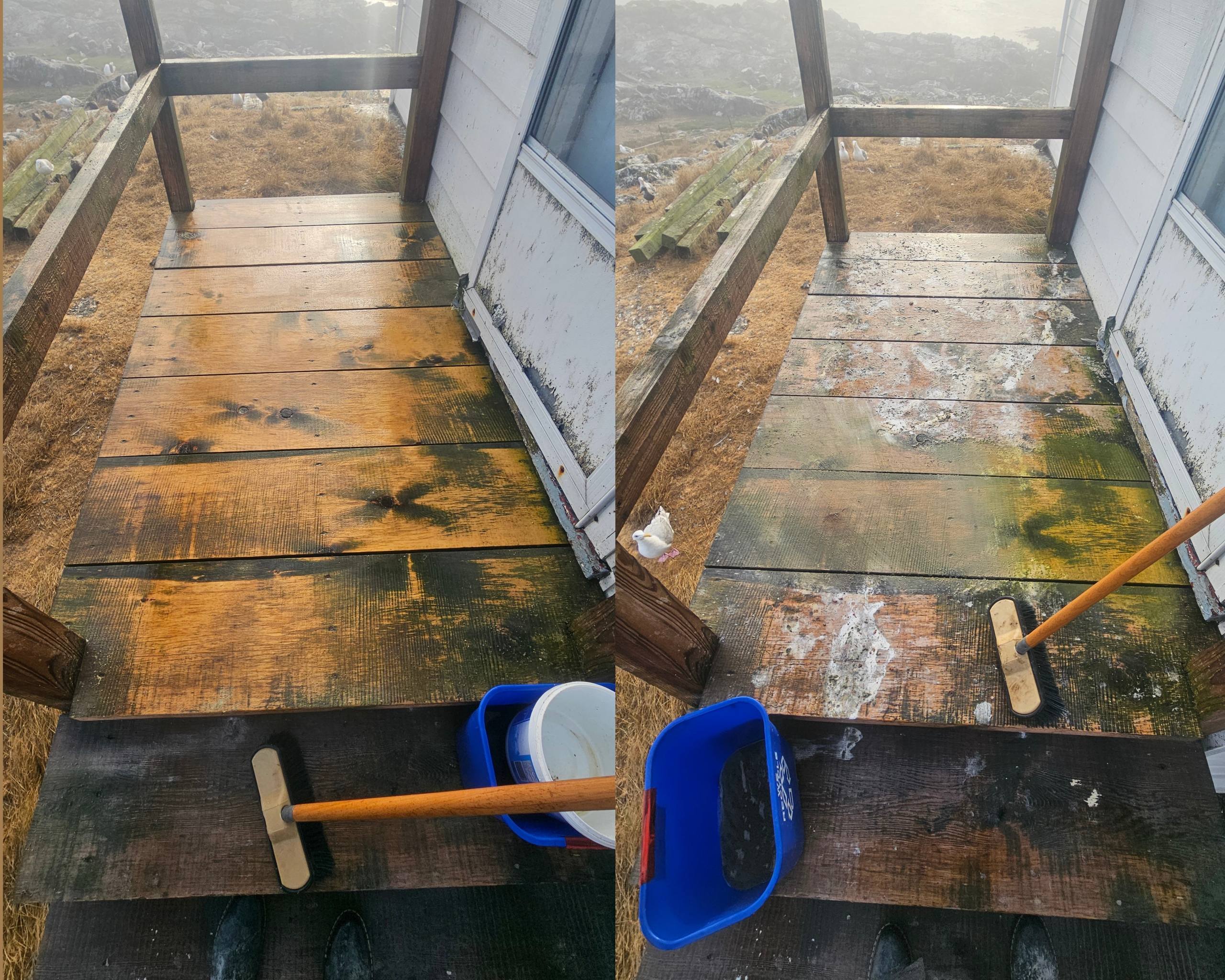
Started the day with the generator running, walked the fence and then cleaned the solar panels. When I was on the roof cleaning the solar panels, the sun came out; perhaps the cloudy weather forecast was wrong.

Today is census day, so I grabbed a notepad and climbed the tower. I found out very quickly how hard it is to count all the wildlife! From sea lion piles, to hundreds of seagulls, I tried my best. I found it very difficult to know what wildlife is beyond the many rocky outcrops. Using the binoculars in a somewhat methodical breakup of the island into sections, I counted each section and added the numbers. I was amazed at the wildlife on the outer rocks that I don’t normally see…there are lots sausages out there!

Sea lion piles from the tower

Mammals:

  • California sealion: 662 plus ~22 on outer islets
  • Stellar sealion: 81 plus ~30 on outer islets
  • Harbour seal: 90
  • Humpback whales: 4 inside the reserve, many more outside throughout the day

Birds:

  • Gulls: 471 plus 616 on outer islands (Aug 30 >2200 including chicks)
  • Cormorant: 231, more may be just out of view
  • Black oystercatcher: 0
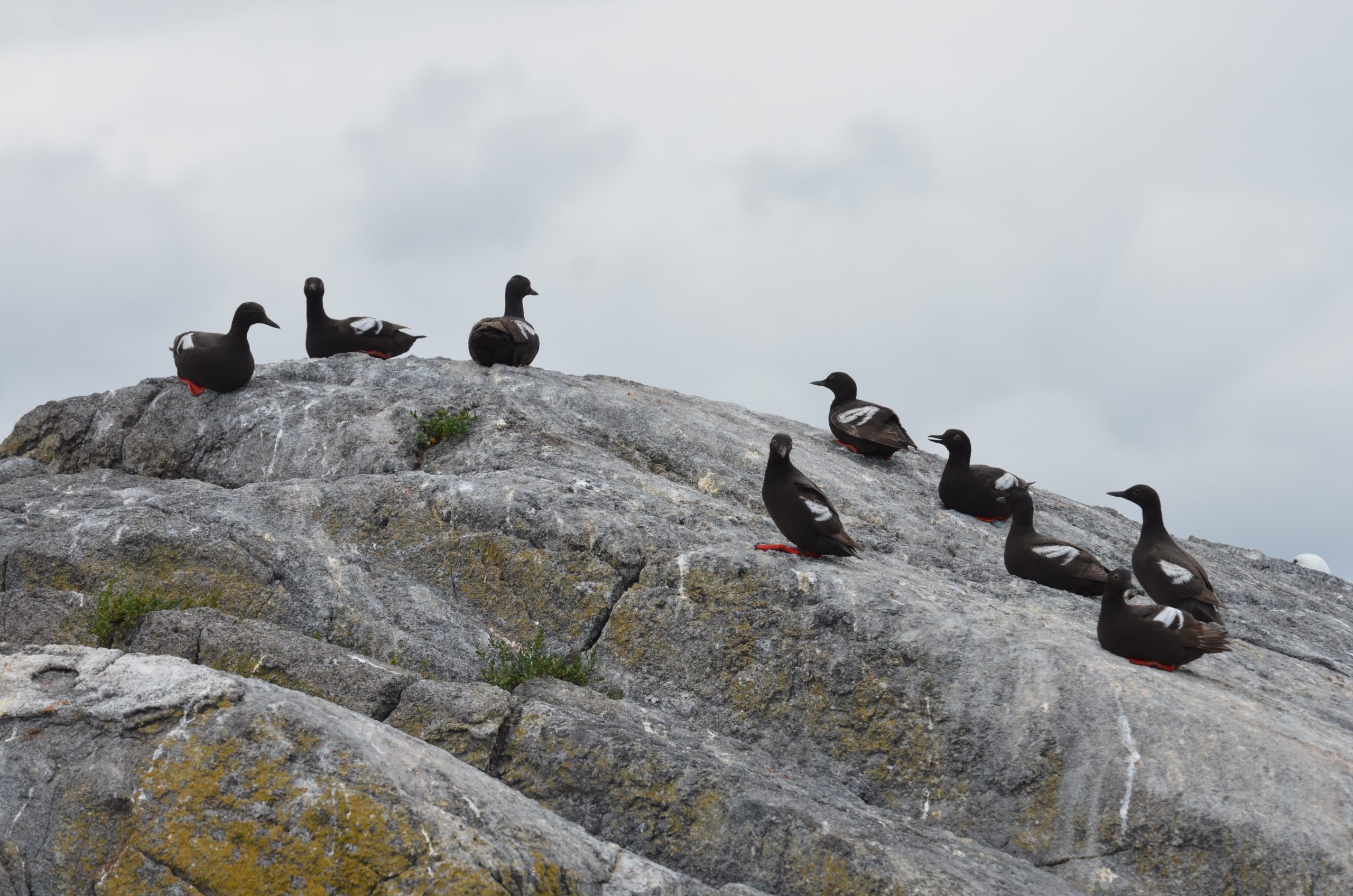
  • Pigeon guillemot: 1
  • Black turnstone: 3
  • Savannah Sparrow: 4
  • Canada Goose: 6, they have come the past twos day in the late afternoon

Notes on Census

It’s very difficult to see the animals on the outer islets, so the count may be low. I also had difficulty picking out the Stellars from the tower, so the ratio may not be correct.


Facility work

  • cleaned solar panels
  • ran the gas generator
  • fence repairs

Vessels

  • Ecotourism: 26
  • Private: 7

Weather

Cloudy most of the day.  Winds 3 to 6 knots mainly from the west. Daytime temperatures 13 to 15 degrees.

August 30 Census

Mammals:

  • California sealion: 457, nearly all on Great Race Rocks (July 25:17)
  • Stellar sealion: 205, half of which are on the outer islands (July 25: 29)
  • harbour seal: 136
  • humpback whales: 6

Birds:

  • gulls: >2200 including chicks
  • cormorant: 73
  • black oystercatcher: 2  (July 25: 14 plus 5 chicks)
  • pigeon guillemot: 3 (July 25: 234)
  • black turnstone: 4 (July 25: 113)

A lot has changed here in the past month. I have included some of my last census numbers from a month ago to highlight the differences.

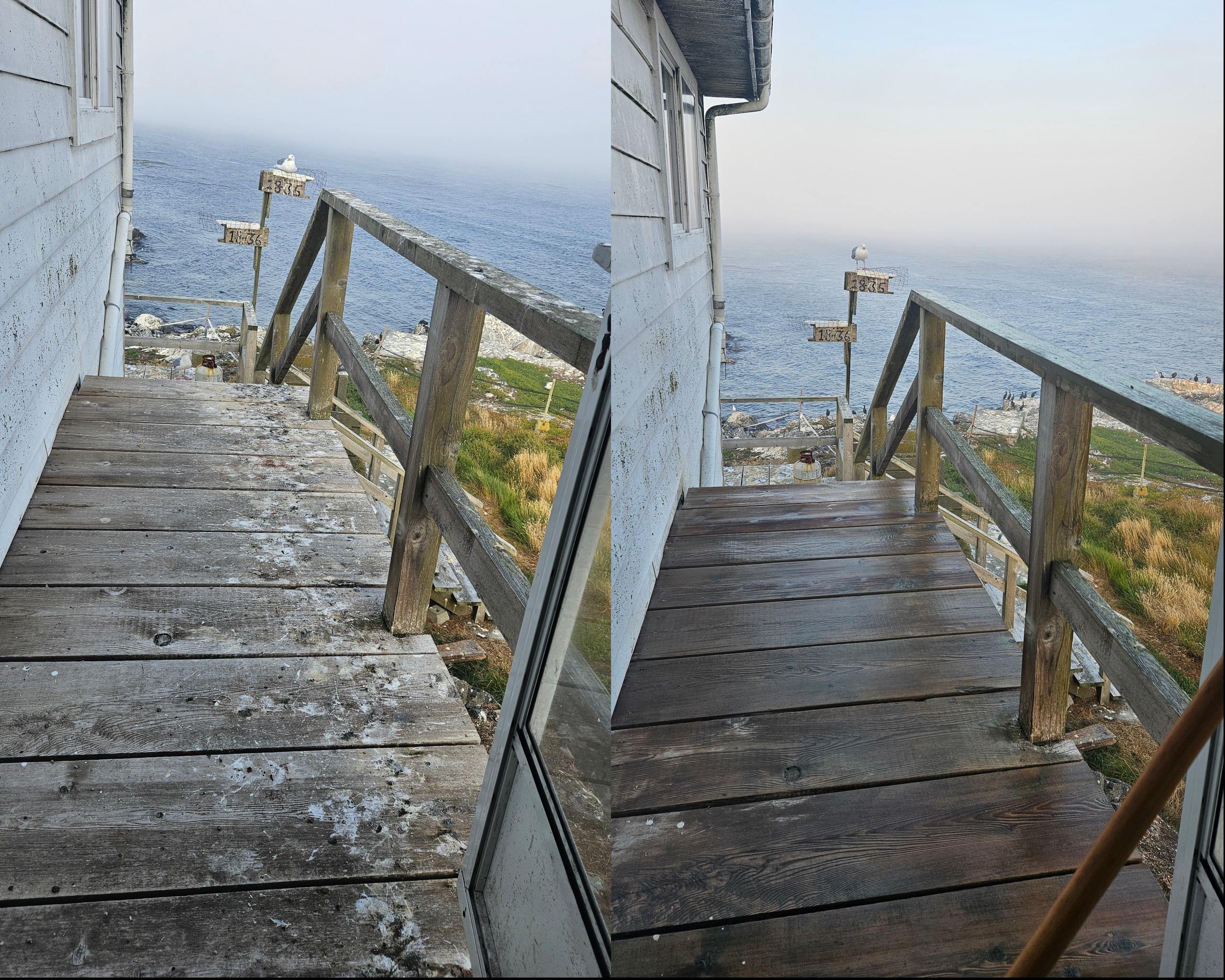
The sea lion population has exploded and I expect it will continue to grow in size.  It is much louder here and their stench is overpowering.  The amount of guano has also increased. It is not just the rocks along the shore line that are painted white, it is now all the rocks and walkways. You can’t open a window in the house with the combined aroma of the sea lion scat and the guano. The only somewhat fresh smelling air is at the top of the light house.

The harbour seal pups have been weened and can’t be obviously identified by their size or proximity to their mothers. I also could not locate the oystercatcher chicks so they may have fledged or been pushed off the beaches by the sea lions to stretches of the outer shore I can not access or observe.  The pigeon guillemot have mostly left. One of the three I saw today had a meal in its beak so there may be one chick left in a borrow somewhere. There are also very few shorebirds.

Unfortunately the good camera left the island yesterday. I will only have a cell phone camera so the I’ll be selecting things large enough, slow enough or close enough to photograph.  You will be seeing a lot sea lion photos until the good camera comes back.

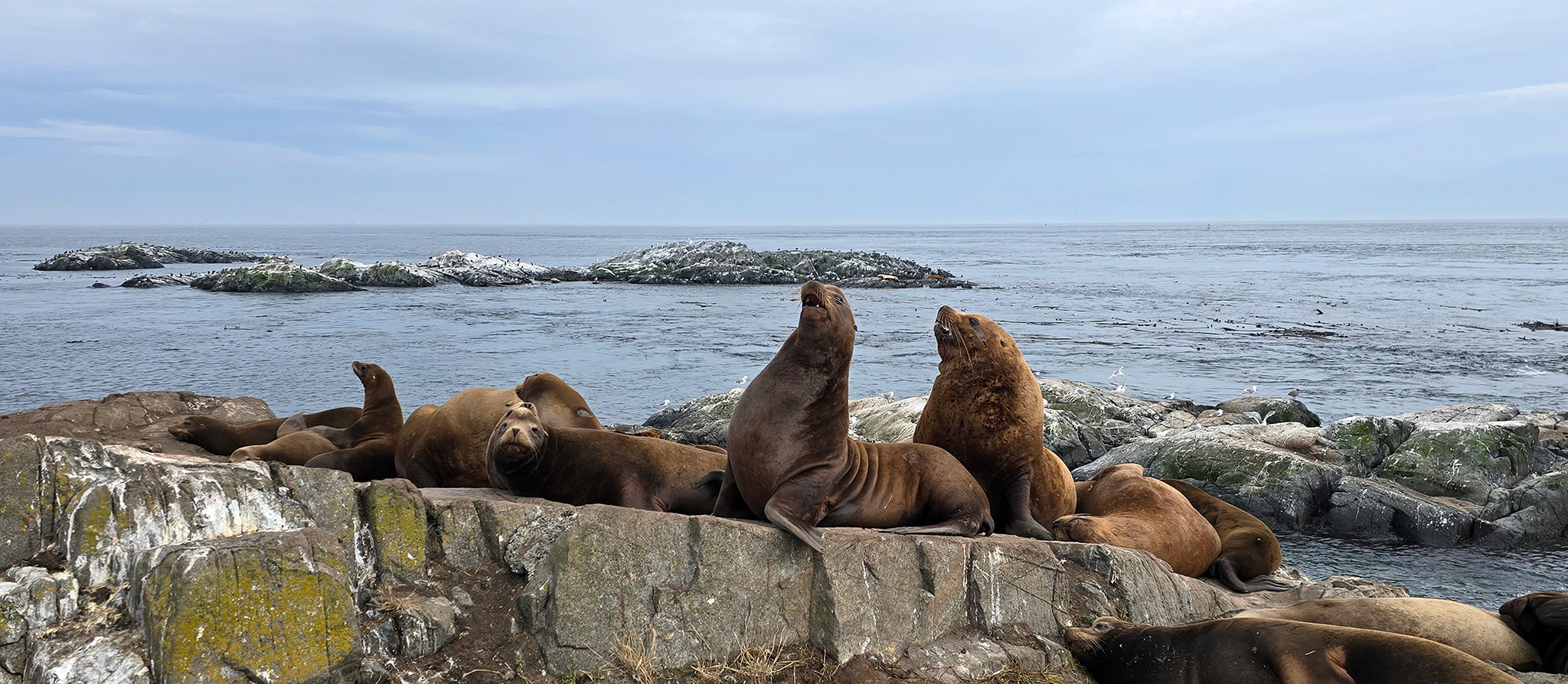
A large Stellar sea lion with some California sea lions south of the Energy building many meters above the shore line.

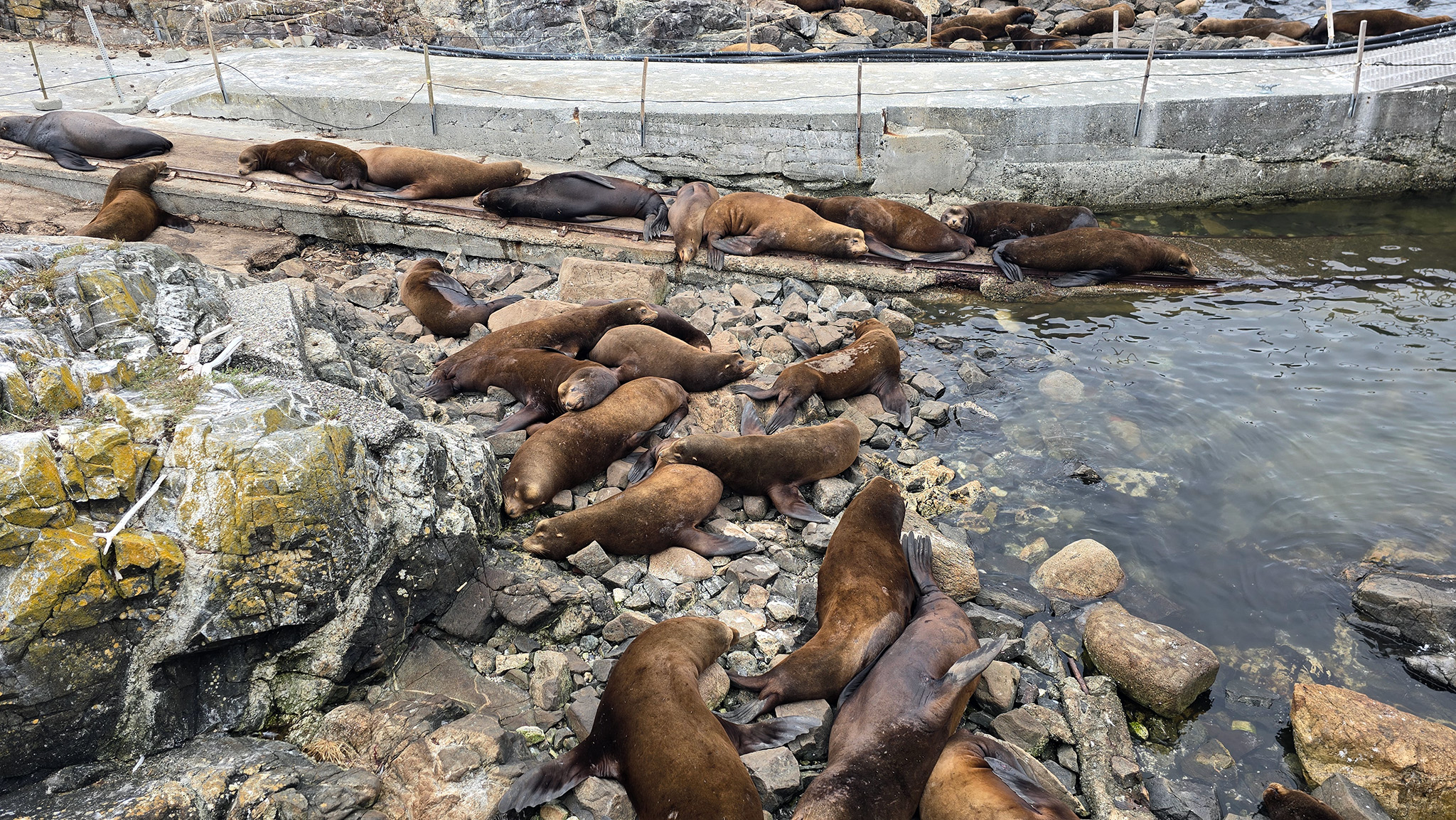
The pile up on the boat ramp. I sent them away when it was time to get the sea water readings. I saw one climb right over the electric fence unbothered so I figure it is best to send them along before the situation gets worse. They’ll either get fed up with moving or become harder to move (i.e. accustom to my idle threats).  I hope it is not the latter.

Facility work

  • topped up the battery fluids
  • the generator ran for during the day, so I did not clean the solar panels.
  • ran the desalinator for 8 hours, produced 600 L of fresh water
  • did a load of laundry of bedding and towels
  • patrolled the electric fence

Vessels

  • Ecotourism: 28
  • Private: 11

Weather

Overcast. Winds westerly 9-15 in the morning, west-south-west 8-17 in the afternoon. Daytime temperatures 12 to 14 degrees.

Friday August 21 Census

California sea lion: 232
Steller sea lion: 177
Harbour seal: 94

Cormorant: 103
Pigeon Guillemot: 42
Oyster catcher: 11
Turnstone: 27
Bald eagle: 2
Seagull (adult): 1200
Seagull (juvenile): ~400

<em>Wildlife notes</em>

The shorebirds were a bit harder to count this time around, as the edges of the rocks and their usual concentrated areas were busy with sea lions. I also spotted a few whales off to the southeast this morning, but couldn’t quite make out the species- either humpback or minke.

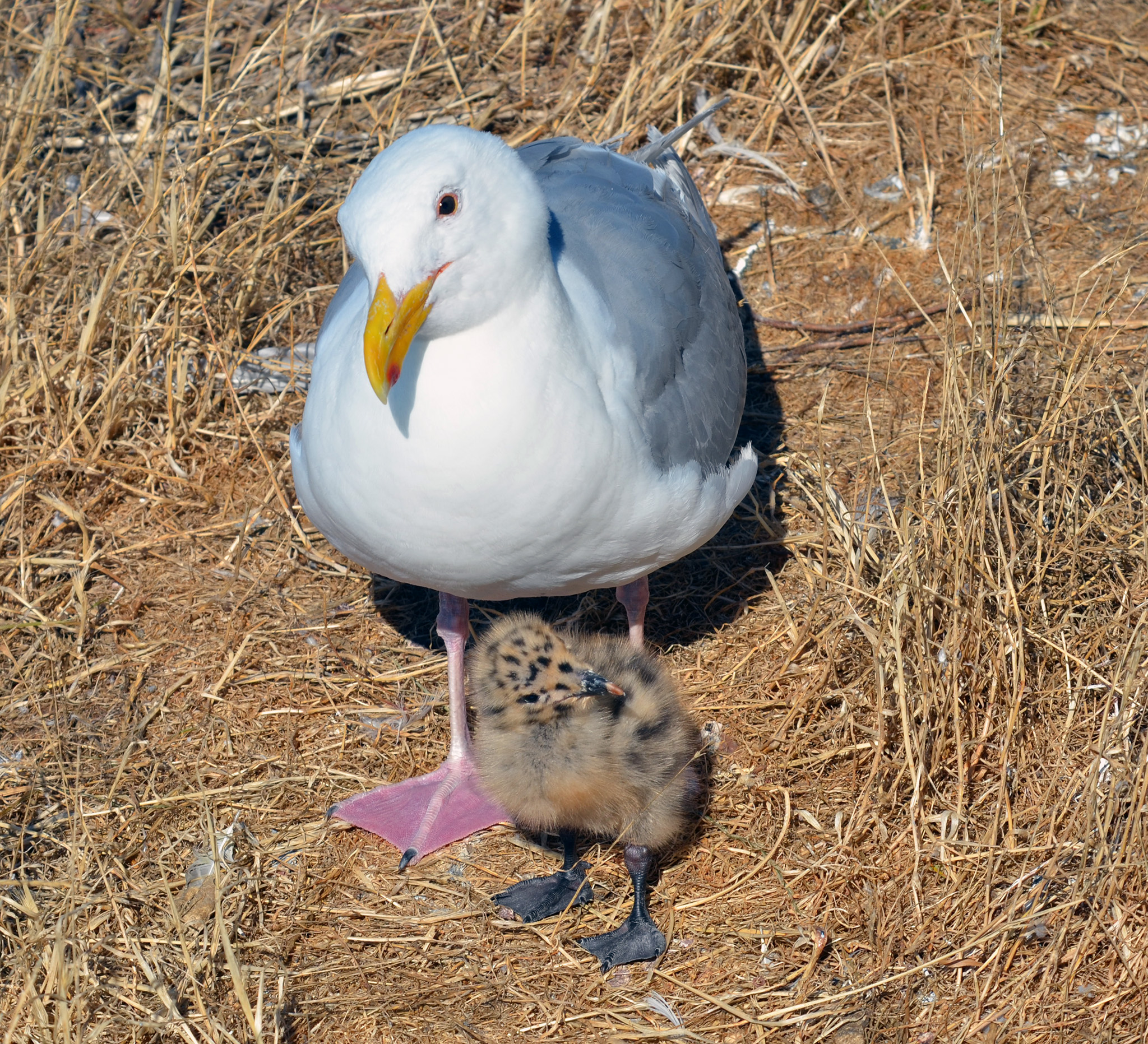
Although many of the chicks are almost as big as their parents and starting to stay aloft for nearly minutes at a time, they’re unlikely to take off for a week or two still. It’s been such a privilege to watch these tiny, bandy-legged fluffballs grow into their flight feathers and prepare to head out on their own.


<em>Facility notes</em>

-Cleaned panels

-Continued work on fence


<em>Weather</em>

Cloudy, calm. Westerlies around 15, picking up to 25 knots later in the evening. Temperatures from 11 to 12 degrees.


<em>Vessels</em>

Ecotourism: 18

Private: 2


August 07 Census

California Sea Lion: 92
Steller Sea Lion: 116
Seal: 47

Seagulls (adult): 750 (+another 300 or so chicks)
Oyster catcher: 13
Rock Sandpiper: 12
Black Turnstone: 141
Cormorant: 47
Pigeon Guillemot: 112
Bald eagle: 1

I noticed from the lighthouse an interesting nesting pair; I am not entirely certain but they’re either Western Gulls or hybrids of some flavour. I’m still only beginning to get familiar with the various types of gulls and their identifiers- what an incredibly deep rabbit hole to explore. This guide from Bird Studies Canada : Identifying Hybrid & Immature Gulls in Coastal B.C. is a great place to start.

Visitors
Two technicians came to work on the CODAR SeaSonde from around 11:00am to 2:30pm today, accompanied by two of the Pearson waterfront folks and two others from campus.

The CODAR SeaSonde is a coastal radar system that monitors ocean currents and wave conditions like height, direction, and period. It works by sending out radio waves and analyzing the signals bounced back from waves that are half the radar’s wavelength. Combining data from multiple stations like the one positioned on the South-West corner of the rocks allows it to calculate total ocean current speeds and directions where coverage overlaps. You can go to this post from 2018 for more information about the setup and project as a whole.

Facility notes
– Cleaned house decks
– Cleaned panels

Weather
Heavy fog, strong gusts in the morning, opening up to a calm sunny afternoon. Winds mostly west-by-southwesterly, from 15 to 33 knots. Temperatures from 10 to 15 degrees.

Vessels observed
Ecotourism: 22
Private: 3

August 01 Census

California sea lions: 62
Steller sea lions: 44
Harbour seals: 122

Cormorants: 54
Nesting Gulls: 256 (+ 300 or so chicks)
Gulls (Outer rocks and water): 400
Canada Geese: 2
Oyster Catchers: 21
Pigeon Guillemots: 63
Bald Eagle: 1
Small brown songbirds: 4

Getting to Know the Neighbourhood

My first day alone on the rocks. I began by cleaning the kitchen while a short but mighty burst of rain swept over, saving me from solar panel duty for the morning. Then I ventured out to the top of the lighthouse, coffee and seagull broom in overhead.

The census count took a few trips up to the light, once in the morning, afternoon and evening to get a good idea of who has been hanging around. In the afternoon and evening, many of the nesting birds had gone out for the day, and the sea lions were easiest to count as they all hauled out around the midday low tide to soak in some sunshine. There are a few small shorebirds I wasn’t able to recognize yet- time for some reading!

Facility Work
– Finished topping up batteries
– Transformed old curtains into rags

Weather
Intermittent rain, mostly cloudy. Gusty! Strong westerly winds from 35 to 51 knots. Temperature 12.8 to 17.4 degrees.

Vessels
ecotourism: 16
private: 4

July 25 Census

Mammals:

  • California sealion: 17
  • Stellar sealion: 29
  • harbour seal: 143  plus 6 pups

Birds:

  • gulls: 1371 (of these 809 were outside of main nesting area, chicks not counted)
  • cormorant: 74
  • black oystercatcher: 14 plus 5 chicks
  • pigeon guillemot: 234
  • bald eagle: 1
  • harlequin duck: 3
  • surfbird: 39
  • black turnstone: 113
  • ruddy turnstone: 1
  • brown headed cowbird: 1
  • Canada goose: 3

Wildlife seen this week inside the reserve but not observed today include: killer whale, humpback whale, short-billed Dowitcher, least sandpiper, western sandpiper, wandering tattler. The majority of the gulls outside the main nesting area (i.e., those on the South Islands, Seal Rocks and on the western shore line of Great Race Rock) were California gulls.

Wildlife notes

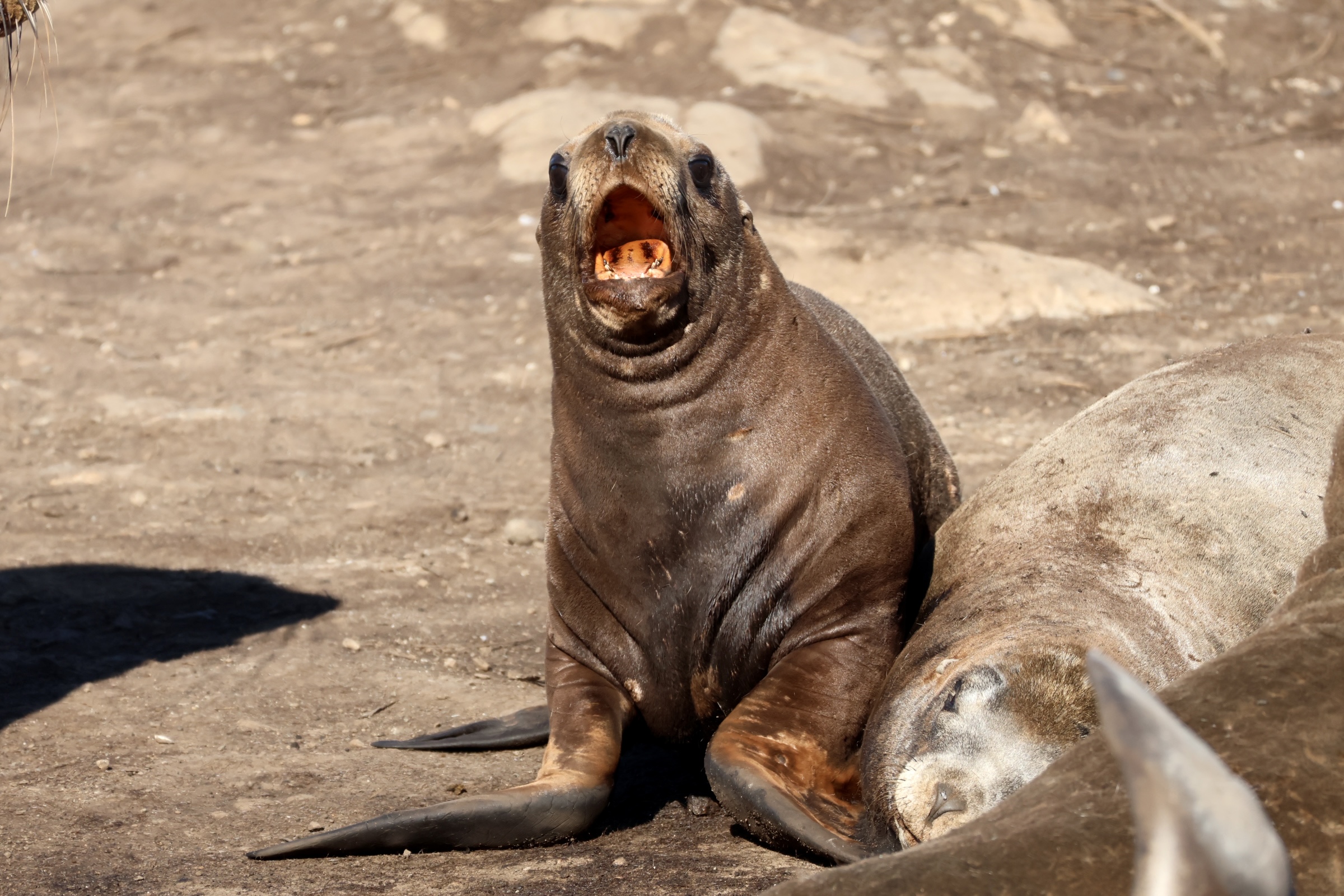
The sealions are returning in small numbers and are mostly on the South Islands for now. This started early in the week with the arrival of some large growling Stellar sealions. California sealions started appearing (and barking) the past two days.  It will soon start to get louder at night around here.
There are very few gull eggs left unhatched. Some seem eggs abandoned in shallow or untended nests. The single egg made in a nest spun of grass by the door to the Student Building is starting to hatch. Two eggs were in this nest on June 29th.
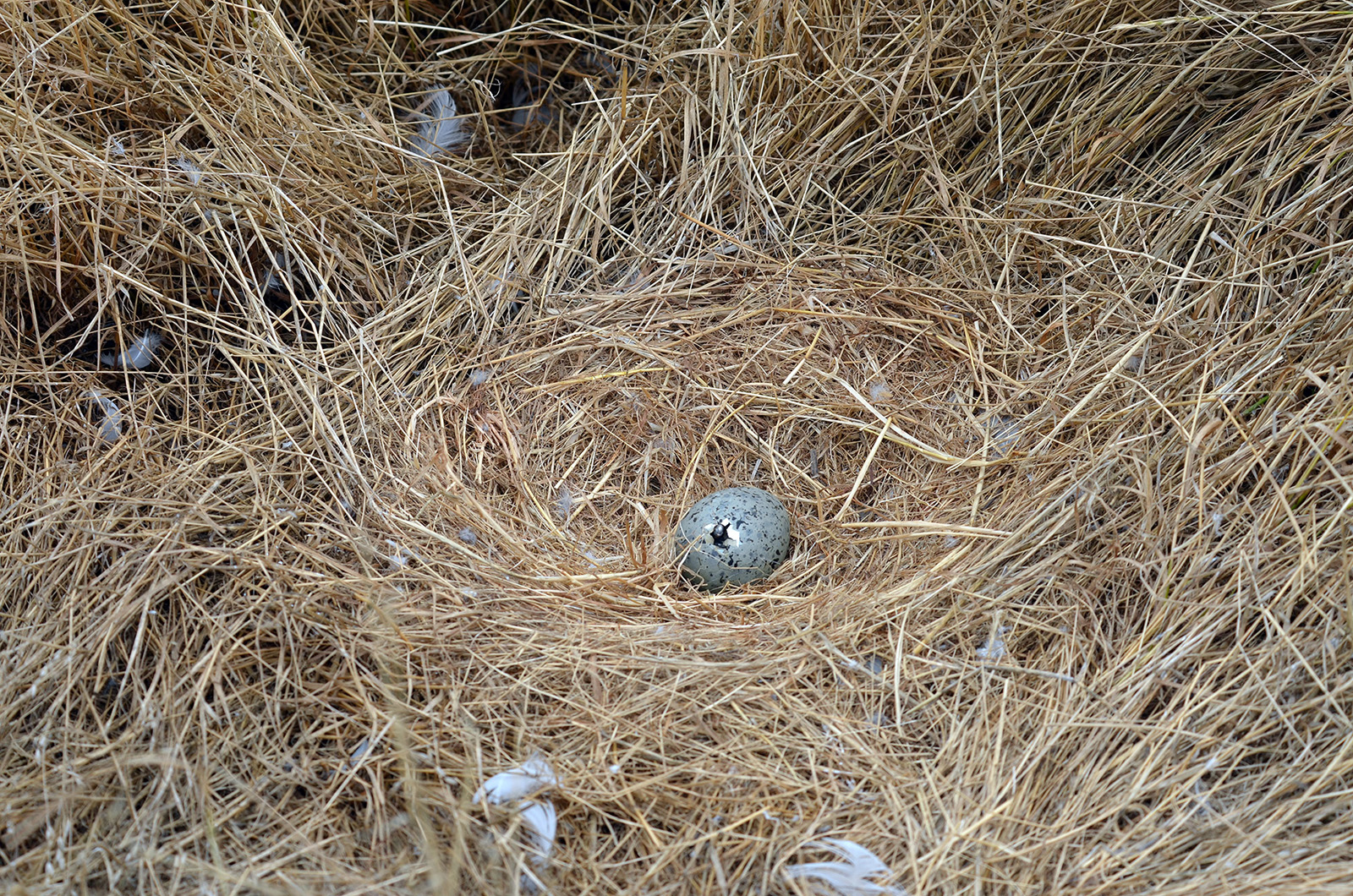
A simple nest made only of grass from the immediate area near the Student Building door. This may be one of the last gull eggs to hatch this year.  This means no more short cuts across the grass to get to the Student Building. This is unfortunate as “Intersection” gulls has moved their three chick to the start to the Student Building walkway.

I think we are up to 6 seal pups in the area. Like the gulls, they are spread apart in age are vary is size.  The pup on East Beach this afternoon still had its umbilical cord attached so it is a new one since last Census.
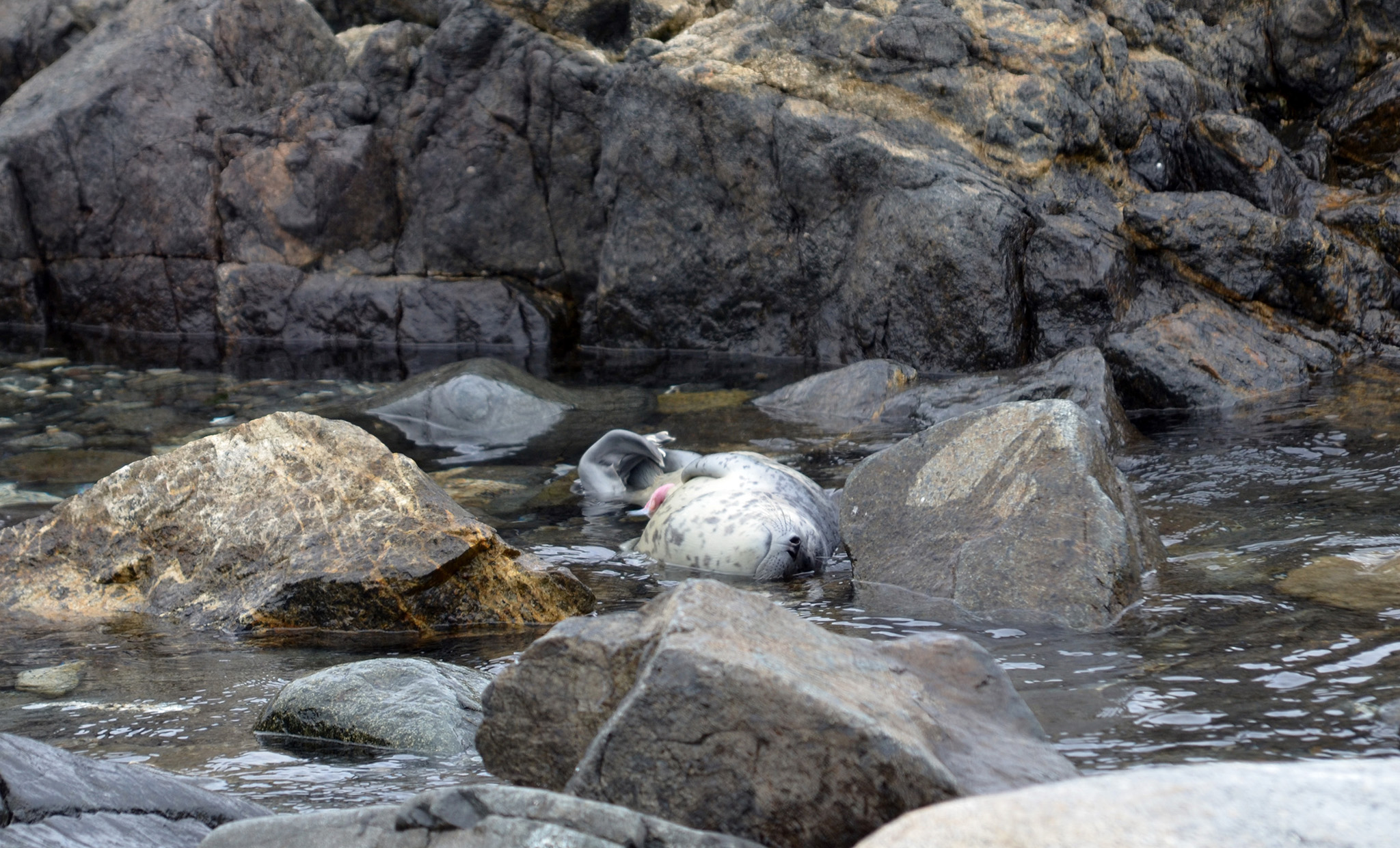
Young harbour seal pup on East Beach this afternoon with its umbilical cord still attached.
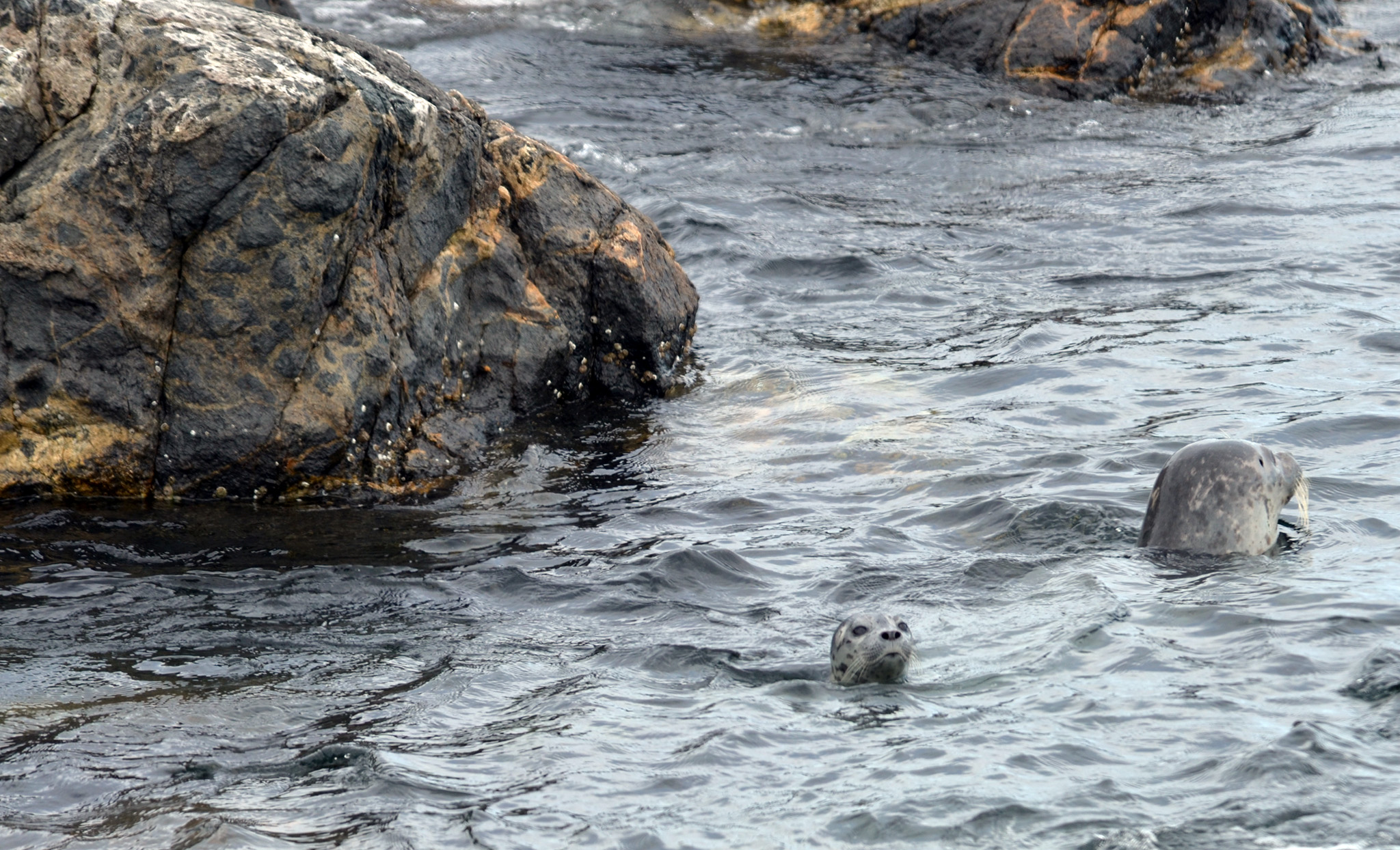
Same young pup swimming away with its mother.

Vessels

  • Ecotourism: 24
  • Private: 3

Weather

Partly cloudy. Winds from the west and southwest, calm to 15 knots. Daytime temperature 14 to 17 degrees.
July 18 Census

Mammals:

  • Stellar sealion: 2
  • harbour seal:  165 plus 5 pups

Birds:

  • gulls: 832
  • cormorant: 67
  • black oystercatcher: 14 plus 4 chicks
  • pigeon guillemot: 51
  • bald eagle: 1
  • harlequin duck: 17
  • surfbird: 41
  • black turnstone: 48
  • ruddy turnstone: 1
  • least sandpiper: 1
  • western sandpiper: 1
  • wandering tattler: 1

Wildlife seen this week inside the reserve but not observed today include: California sealion, short-billed Dowitcher, a passerine. Pigeon Guillemots are underrepresented.

The 5 week-old Keepers House black oystercatcher chick “hiding” motionless in the rocks on East Beach. Its beak not yet fully orange, full sized or blunt tipped.

Tiny western sandpiper on East Beach. The Keepers House black oystercatcher parents in the background, always on watch.

Facility work

Thanks to Joan, the lamp room and lighthouse stairs look terrific and it was a clear view through the glass.

  • cleaned solar panels
  • battery maintenance

Vessels

  • Ecotourism: 12
  • Private : 0

Weather

Fog in the am. Clear skies. Winds westerlies 17 to 26 knots. Daytime temperatures 12 to 17 degrees.